Caregiver jobs in Vienna: Your path to your dream job in 2026

Are you ready for a caregiver job in Vienna that touches your heart and truly makes a difference? A workplace where you feel every day how your work changes lives – for the people you support and for yourself? Whether you are an experienced professional or a courageous career changer: your opportunity to truly make an impact awaits you in Vienna.
Vienna – a city full of life, tradition, and exciting opportunities. For people like Anna who want to support others, many paths open up here: from loving childcare to supportive elderly care and assisting people with disabilities. But how do you find the right job that truly suits you? What qualifications do you need? And where is the right team waiting for you?
In this article, we accompany Anna on her journey into Vienna’s world of caregiving. We show you what opportunities this city holds for dedicated people, how you can contribute your strengths – and how to find a workplace that not only challenges you but also fulfills you.

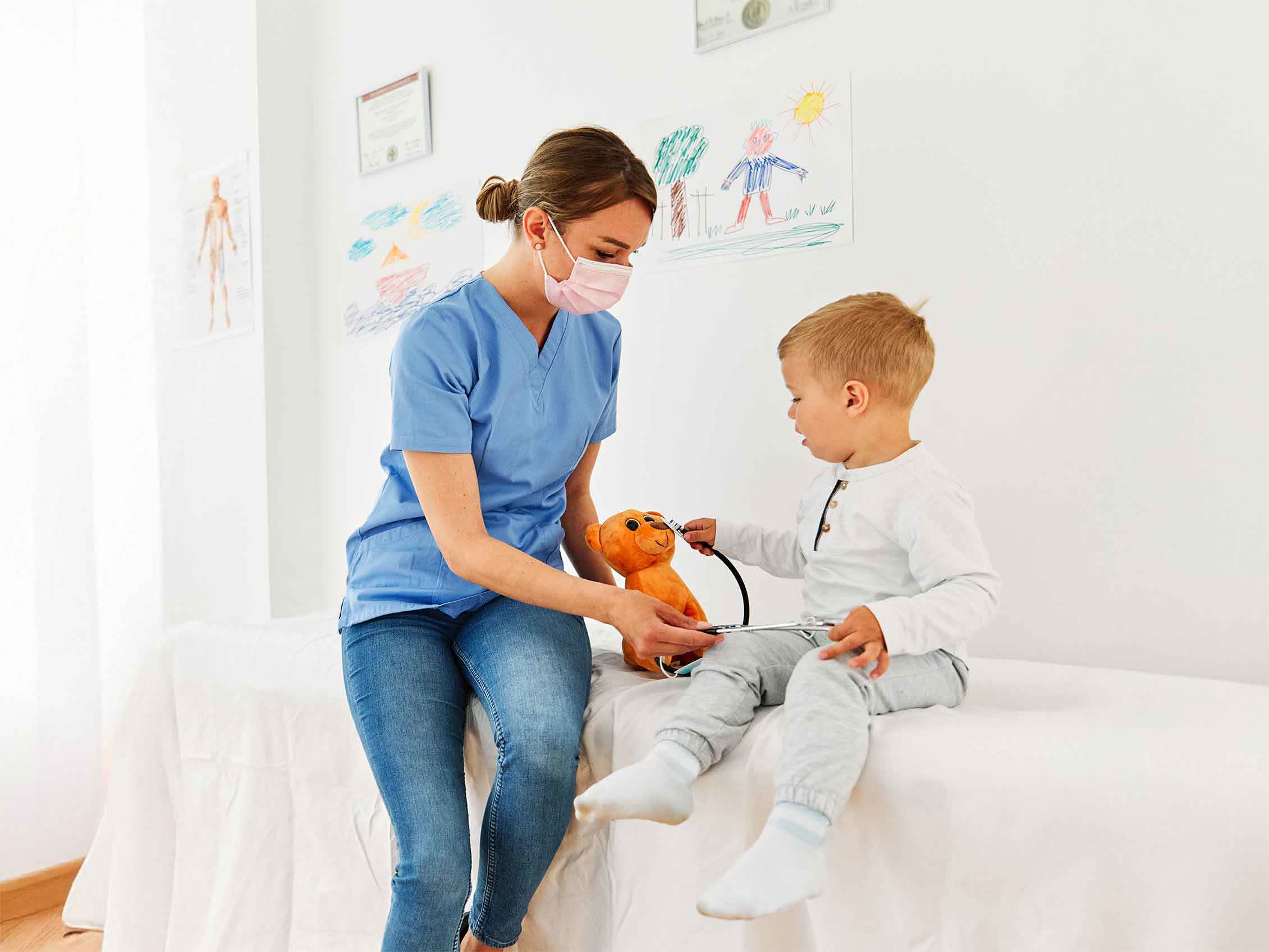
Anna always had a heart for people. Even as a child, she loved helping her grandmother with cooking or in the garden and listened for hours to the stories of elderly neighbors. This passion later led her to volunteer work in nursing homes and part-time jobs as a babysitter during her youth.
When she finally moved to Vienna, Anna was determined to turn her social commitment into a profession. However, the variety of caregiver jobs in the metropolis initially overwhelmed her, as Vienna offers numerous positions in different areas of care and support.
The demand for dedicated caregivers in Vienna is particularly high – especially in childcare, elderly care and supporting people with disabilities.
This high demand opens up many career opportunities for dedicated people like Anna – regardless of whether they already have experience or are just entering the field.
These include:
Childcare:
- Childminders: Caring for young children in your own household or in the parents’ home.
- Nannies: Long-term childcare in the family’s household, often including comprehensive tasks such as homework support, leisure activities, and light household duties.
- After-school care: Supervision and support for schoolchildren after classes, often including leisure activities and homework help.
- Babysitters: Short-term and flexible childcare, usually hourly and often in the evenings or on weekends.
Elderly care and support:
- Day care: Comprehensive care and support for older people.
- 24-hour care: Round-the-clock presence in the household of the person being cared for, which in Austria is usually carried out as a self-employed trade. Here, you act as your own boss and can decide whether to work directly (e.g., via noracares) for a higher fee or through an agency for more organizational support.
- Home aides: Help with household tasks and support in everyday life for seniors who still live at home.
Disability support:
- Day care: Daytime care and support for people with disabilities, including leisure and educational activities.
- Assistance services: Individual support for people with disabilities in everyday life, often in the home environment, when participating in social life or at work.
- 24-hour care: Intensive care for people with disabilities who require constant support.
Anna quickly realized that she was “spoiled for choice.” She began to think carefully about the different options to find out which caregiver job suited her best.
However, Anna made her decision after a visit to a bakery: While sitting in a Viennese bakery with coffee and a fresh croissant, she noticed an elderly lady crossing the street outside the window. As the woman tried to step over the curb, she fell. Anna immediately jumped up and rushed to help her.
Since the woman seemed to be injured, Anna provided first aid and took her to the hospital. Through the gratitude the lady expressed, Anna knew that she wanted to work in elderly care. And so, Anna’s journey toward becoming a caregiver began.

To get closer to her dream job, Anna first focused on the required qualifications. These vary depending on the caregiver job in Vienna and individual agreements. However, most jobs require formal training. In some cases, it is also possible to work without specific training, for example as a nanny.
During her research, Anna found that a combination of formal education, professional experience, and personal skills is generally required. Professional qualifications usually include the following training paths:
Childcare:
- For childminders, training in early childhood education or a certified childminder course is often required. For working as a babysitter or nanny, pedagogical training is advantageous but not mandatory.
- Practical experience in childcare, reliability, and flexibility are more important. Additional skills such as foreign language proficiency, a completed first-aid course, or a driver’s license may also be relevant.
Elderly care:
- Working in elderly care generally requires completed training as a nursing professional. Since 2023, a particularly attractive path has been the state-established nursing apprenticeship (nursing assistance or nursing specialist assistance). It offers young people and career changers the opportunity to learn directly on the job and earn their own training salary during their apprenticeship. Alternatively, pathways also include schools for social care professions or studying health and nursing care.
- Additional advanced training in specialized care areas (e.g., dementia care) are also advantageous. For some professions, such as home aides, there are specific training programs or shorter courses available.
Disability support:
- To work in disability support, you should have training in the field of disability services or social pedagogy (therapeutic or special education).
-
Depending on the type of disability, nursing skills or knowledge in individualized support and assistance are also important. If you already have experience working with people with disabilities, this is usually highly valued in this field.
In addition to professional qualifications, personal traits such as empathy, patience, communication skills and physical resilience are of great importance in all caregiving roles. Therefore, a combination of expertise and soft skills is required to provide the best possible support and care as a caregiver in Vienna.
If you are interested in a caregiver job in Vienna, the question of salary is of course also important. Compensation depends heavily on the specific caregiving role, your qualifications, the employer, and working hours. Factors such as your experience, education and further training, as well as the scope of care provided, also play a major role.
To give you a good overview, we have compiled a summary of average salary ranges for various caregiving roles in Vienna:
Notes:
- The gross amounts listed may vary depending on the employment contract, employer, or personal negotiations.
- Hourly wages are common especially for part-time or occasional assignments, while full-time positions are usually paid with monthly salaries.
- In 24-hour care, accommodation and meals are often included, which partially offsets the salary.
- For tasks with particularly high levels of responsibility or special qualifications (e.g. dementia care), salary supplements are possible.
Why do salaries vary so much?

Differences in earnings arise from various factors: for example, the scope of working hours (part-time versus full-time), the type of activity (basic care versus nursing tasks), as well as the presence of training or certificates. The type of employment – whether you are employed, working as a freelance contractor, or self-employed – also influences your salary.
Last but not least, the place of work in Vienna also plays a role, as some districts or private families often pay higher compensation. Agencies often offer standardized collective agreements, while direct employment with families is often negotiated individually.
Modern working time models for your work-life balance
Vienna is taking a pioneering role here. In more and more institutions of the City of Vienna and with partner organizations of the FSW, the 35-hour week with full salary compensation is being implemented or intensively prepared. This means for you: more time for relaxation and personal life, while you can continue to thrive fully in your job as a caregiver. When looking at job postings, specifically watch out for this benefit!

Anna had attended a school with a focus on nursing and thus met all the necessary requirements. Therefore, she was able to start her search for a caregiver job in Vienna right away.
So she returned to the bakery, where she once again sat down with coffee, a croissant, and her laptop to search for job offers. In doing so, she came across the noracares platform, which connects nursing and care professionals with people seeking care.
Anna registered with noracares and was immediately impressed by the user-friendly interface. She was able to search specifically for caregiver jobs in Vienna and filter the results by various criteria, such as the type of care and working hours.
Anna found the personal job descriptions and the opportunity to communicate directly with those seeking care particularly helpful. While browsing the job listings, three ads immediately caught her eye that she wanted to apply for.


The application process requires careful preparation so that you stand out from other applicants and convince those seeking care. Anna knew that a compelling application consists of several well-thought-out components:
Resume:
- Clearly structured and tailored to the respective position
- Focus on relevant qualifications and experience
- Supplemented with specific examples of previous activities
Motivation letter:
- Conveying motivation and passion for the caregiving profession
- Individually tailored to the respective position
- Concrete examples to support your suitability
Preparation for the interview:
- Practicing answers to common interview questions
- Thinking of your own questions for the conversation
- Punctuality, appropriate clothing, and a friendly demeanor
Required documents:
- Completeness and good organization of documents
- Relevant references, certificates, and a police clearance certificate (if required)
Follow-up:
- Sending a thank-you message after the interview
Anna used the tips from noracares to prepare specifically. Thanks to this careful preparation, she was able to convince all three people seeking care and choose a position. She decided on a job as a daytime caregiver for an elderly lady in the 9th district – very close to her apartment.

Caregivers in Vienna benefit from a wide range of local advantages that make their daily work easier and promote their professional development. The City of Vienna, for example, offers comprehensive programs for education and continuing education that are accessible through various institutions and platforms, including the Vienna Employees Promotion Fund (WAFF) and the Vienna Adult Education Centers.
These programs help caregivers continuously expand their skills and stay up to date with the latest care and nursing techniques.
There are also special counseling centers, such as the Counseling Center for Migrants, which support foreign caregivers in the recognition of their qualifications and integration into the labor market.
Another advantage in Vienna and throughout Austria is the broad network of professional associations and interest groups, such as the Austrian Health and Nursing Association (ÖGKV), which offer caregivers legal and professional support.
There are also various social benefits and discounts, which contribute to improving the financial security and work-life balance of nursing and care professionals.
These include subsidies for further training, health promotion programs, and special offers for balancing work and family life. All these support systems and benefits help ensure that caregivers in Vienna can not only carry out their profession with commitment and competence, but also feel comfortable and valued in the long term.

Find your caregiver job in Vienna with noracares! Anna found her dream job as a caregiver in Vienna with noracares – a job that touches her heart and gives meaning every day. The encounters with people, the genuine help, and the feeling of being needed – that is what makes her work so special.
You too can take this path: discover the diverse caregiver jobs in Vienna where you enrich the lives of others with empathy and dedication. Whether in childcare, elderly care, or supporting people with disabilities – your work makes the difference.
It is important that you find yourself and develop your own style. Only then can you authentically and joyfully fulfill your role. Care means more than work – it is a calling. A daily routine full of small moments in which you make people smile, provide security, and create genuine closeness. That is exactly what makes your job so valuable and fulfilling.
Don’t wait any longer – register now as a caregiver with noracares and find your dream job in Vienna.


- 24-hour care: An intensive form of support in which the caregiver usually lives in the household of the person being cared for to ensure round-the-clock presence.
- 35-hour week: A modern working-hours model in Vienna’s social sector that, for many providers, is already replacing the classic 40-hour week as the full-time benchmark in order to improve caregivers’ work-life balance.
- Assistance services: Individual support for people with disabilities in everyday life, at home, or at work in order to promote social participation.
- Babysitter: Short-term and flexible childcare, usually by the hour in the evening or on weekends.
- Early childhood education: The field of educating and raising children until they start school; appropriate training is often a prerequisite for childminders.
- Fonds Soziales Wien (FSW): The central organization of the City of Vienna that plans, manages, and funds social services.
- Home help: Support for senior citizens with household management and daily life directly in their own home.
- Nanny: Long-term childcare in the family’s household, often combined with tasks such as homework support and leisure activities.
- noracares: A platform that connects care and support workers directly with people seeking care.
- ÖGKV (Austrian Health and Nursing Association): A professional and interest group representing people in nursing and health professions.
- Nursing apprenticeship: Since 2023/24 an official apprenticeship in Austria, which can be completed in the variants nursing assistant (3 years) or nursing specialist assistant (4 years) and offers remuneration from the first year of training.
- Nursing scholarship: Financial support from the AMS for people completing training in a nursing or caregiving profession (at least 1,400 euros net per month, as of 2026).
- Career changers: People who switch into nursing or caregiving without originally having training in the social sector.
- Soft skills: Personal qualities such as empathy, patience, and resilience that are essential for working with people.
- Day care: Comprehensive care and support, either for older people or for people with disabilities (e.g., in day centers).
- Childminder / Childminder (male): Care of toddlers in a private setting (own household or parents’ household).
- WAFF (Vienna Employees Promotion Fund): An institution of the City of Vienna that financially supports training and further education for employees and provides advice.

