Mental illnesses in old age in Germany – types, symptoms & help

Do you feel more tired, down, or restless in later life? Maybe you’ve noticed changes in your mood, sleep, or stamina, and are wondering if it’s still "normal" or if a mental illness is behind it.

You are not alone in this. Mental illnesses are also among the most common health problems in Germany, even in old age. However, they are often diagnosed late in older people because symptoms are mistakenly interpreted as "normal aging" or purely physical complaints.
This guide is intended for those affected, their families, and interested parties. It explains in an understandable and well-founded way:
- What mental (psychological) illnesses are,
- Which illnesses are particularly common in old age,
- How warning signs appear,
- What causes play a role,
- And what specific help and treatment options are available in Germany.

“Mental illnesses are emotional diseases that change a person's experience, thinking, and behavior.” — Psychenet – Mental Illnesses
Mental illnesses are like small storms inside: you can't see them immediately, but you feel them – in your thoughts, feelings, body, and behavior. Sometimes they pass quickly like a summer thunderstorm, sometimes they stay longer and darken daily life. They refer to all emotional burdens and disorders that affect thinking, feeling, or acting so strongly that life becomes harder.
Definition and clarification (mental vs. psychological illnesses)
The terms mental and psychological essentially mean the same: both describe illnesses that affect our inner world – our emotions, thoughts, our motivation, and how we experience relationships.
The term "mental" often seems more modern and a bit softer, while "psychological" sounds more traditional and medical. However, there are hardly any differences in content. It always means that emotional processes get out of balance, and support may be needed to restore that balance.
Distinction from everyday stress & normal behavior
Everyone knows stressful days, bad phases, or moments when the world seems gray. That's part of life. A mental illness starts where these feelings no longer pass but settle in – like a fog that refuses to lift. When sleep, energy, joy, or concentration are permanently lost, when anxiety or worries dominate daily life, or when you feel like you no longer recognize yourself, then we no longer speak of normal stress, but of an illness.
The difference is not the intensity of a single bad day, but the duration, intensity, and impact on your life.
Why the term is important
Words can open doors – or slam them shut. The term mental illness helps many people to talk about it more easily. It sounds less judgmental and less "heavy" than the term psychological disorder, which is often associated with prejudice.
For a long time, emotional suffering was equated with weakness, a misconception that still lingers today. When people hear "depression" or "anxiety disorder," they often associate it with something negative, even though these are illnesses like any other: treatable, understandable, common.
A clear, modern term helps lift the veil of shame, uncertainty, and stigma. It makes it easier to say: "I’m not doing well, and I can get help."
The more openly we talk about mental illnesses, the faster people find support. Language becomes a tool for education, understanding, and healing.

Mental health changes in old age in a special way. Physical changes, lifestyle adjustments, the loss of loved ones, or retirement act like silent currents that affect emotional balance. Certain illnesses occur more frequently, others show up in a milder or more intense form.
Depression
Depression in old age is like an invisible fog that slowly settles over daily life. Unlike in younger years, the illness does not always manifest through openly visible sadness. Instead, the fog shows itself in fatigue, lack of drive, withdrawal, and physical complaints. Older people often report: "My heart is heavy," "I have no energy," or they feel as if they’re pulling every step through gum.
Many develop depressive symptoms only in later life, often triggered by the loss of partners or friends, chronic illnesses, decreasing mobility, or social isolation. Daily life then appears gray, hobbies lose their appeal, and contact with others becomes increasingly difficult. Depression in old age can be silent, but it is real and severely affects quality of life.
Anxiety disorders
Anxiety disorders in old age are like an invisible shadow that affects all decisions. Concerns about personal health, financial security, or being alone become louder. Generalized worry, panic in new situations, or old phobias can suddenly reappear or intensify. Even simple everyday decisions then feel like walking a tightrope across a rushing river.
Sleep disorders
Sleep problems in old age are like a broken clock inside the body: falling asleep or staying asleep becomes difficult, and the brain no longer rests at night. The consequences are noticeable: exhaustion, irritability, memory gaps, and reduced concentration. Sleep disorders can be both a symptom and a trigger for other mental illnesses – a cycle that thickens the fog in the mind.
Adjustment problems
Life changes can throw older people off balance: retirement, loss of mobility, moving, or the death of loved ones act like sudden waves that roll over them. Adjustment disorders often manifest as depressive moods, anxiety, or inner tension, making daily life more difficult.
Burnout-like symptoms
Even in old age, one can feel exhausted – especially after decades of caregiving responsibilities, caring for others, or the feeling that one’s own role is fading away. The symptoms resemble classic burnout: emotional exhaustion, withdrawal, lack of drive, and the feeling of being unable to make a difference. It’s as if the inner battery has been gradually drained over the years.
Dementia and mild cognitive impairments
Dementia is like a thick fog in the head: memories fade, orientation and attention decrease. Although it is primarily a neurological disease, it strongly affects mental health. Many older people develop depression or anxiety disorders because they sense their abilities fading. The feeling of not recognizing oneself can be deeply unsettling.
Substance abuse
Some turn to alcohol or tranquilizers to alleviate inner restlessness or loneliness . In the short term, it can work like a gentle breeze smoothing the waves – but in the long term, it exacerbates the problems. Substances amplify depression, anxiety, and sleep disorders, and can deepen the feeling of helplessness.
Eating disorders
Eating disorders in old age are rarer but often especially hard to detect. Anorexia, bulimia, or binge eating can hide behind reserved eating, irregular meals, or constant thoughts about weight and control. They act like invisible shackles: the body and mind are burdened, energy fades, and social contacts suffer. Older people sometimes report that eating "stresses them out" or that they feel an odd sense of obligation to meals.
Early attention, professional support, and an open conversation about eating habits can help break this cycle.

In old age, depression and dementia are often confused because their symptoms overlap: forgetfulness, lack of drive, or withdrawal can occur in both. However, the inner mechanisms are different – like two fogs that settle over daily life, but come from different directions.

Mental illnesses rarely announce themselves loudly. They often come quietly, first like a fine crack in daily life — hardly visible, but felt. Over time, these cracks become patterns: in thinking, feeling, and the body. Those who recognize what lies behind them early can react faster and seek help.
General Warning Signs (Feelings, Thoughts, Behavior, Body)
Mental warning signs appear on four levels. Imagine each level as its own little alarm system:
As people age, their body, mind, and daily life change — and sometimes so does their mental balance. Mental illnesses often manifest in old age subtly and differently than in younger people. They slowly creep in and can easily be overlooked, as they are often “hidden” behind fatigue, physical complaints, or social withdrawal.
The following list shows typical warning signs to watch for in order to find support in time:
- Withdrawal from social contacts, less interest in hobbies
- Increased fatigue, exhaustion, lack of energy
- Physical complaints without clear cause: headache, back pain, stomachache
- Sleep problems or excessive need for sleep
- Ruminating, self-devaluation, feelings of meaninglessness or hopelessness
- Fears about the future, illness, or being alone
Mental illnesses rarely arise from a single cause alone. Usually, many threads weave together into a net: body, biology, experiences, and environment. You can imagine them like an old house with hidden cracks in the wall — externally, everything looks stable, but inside, the plaster slowly starts to crumble.

Biological Causes (Genetics, Brain Chemistry)
Sometimes the storm is already brewing “beneath the surface,” regardless of what is happening outside — like underground cracks weakening the foundation.
- Genetic predisposition: Some people bring an increased susceptibility — neurobiological “prerequisites” that increase susceptibility to mental illnesses. Genes are like seeds that only grow when the soil (environmental influences) allows or favors it.
- Neurochemical imbalances and brain metabolism: In the brain, the interaction of neurotransmitters and nerve cells works. When this interaction is disturbed, it can affect mood, perception, or thoughts. In conditions like schizophrenia, an imbalance in dopamine or glutamate metabolism plays a role.
- Physical / organic influences: Chronic diseases, hormonal changes, metabolic disorders, or age-related changes in the brain can weaken biological protective factors — making the brain more susceptible to mental stress.
Psychological Causes (Trauma, Childhood Experiences)
Old wounds often heal invisibly — an outwardly healthy body can still carry scars inside, which break open over time.
- Traumatic experiences and stressful events: Loss, violence, neglect, or abuse can leave deep marks inside. Some only express themselves years later in the form of mental illnesses.
- Processing and resilience — psychological strength: Those who have received little support or never learned how to deal with emotional pain are more likely to lose balance when stress, loneliness, or loss come with age.
- Loss, grief, or life changes in old age: Saying goodbye to old roles, mobility, or shared experiences can open old wounds or create new psychological pain — especially if previous trauma was left unprocessed.
Social Causes (Isolation, Environment, Living Conditions)
Social isolation can be like cold wind, unnoticed draining energy reserves — especially dangerous when the foundation (psychological resilience) is already weakened.
- Social isolation, loneliness, loss of loved ones: Especially in old age, this is a central factor. Studies show that those living alone or elderly people without a family or social network suffer from depression significantly more often.
- Loss of social roles (e.g., due to retirement, loss of mobility): Lack of appreciation, structure, and community can trigger feelings of meaninglessness or emptiness. Many experience less social participation and support in old age.
- Problematic living conditions, stress from poverty, health restrictions, or housing situation: All these external pressures act like a constant psychological weight. Studies show that poor living conditions and chronic stress favor mental illnesses.
Risk Factors (Substance Abuse, Chronic Illnesses, Stress, etc.)
Certain factors increase the likelihood of developing a mental illness, or worsen it. These risk factors are like extra weights on an already shaky soul, and eventually, the balance may tip.
- Chronic illnesses and physical strains: Diseases that involve pain, movement restrictions, or long-term burdens increase the risk of depression or anxiety, especially in old age.
- Substance abuse: Alcohol, medications, or sedatives can provide temporary relief but can greatly increase the risk of mental illnesses in the long term. Many people find it hard to break out of the vicious cycle on their own.
- Long-term stress, overload, burden: Financial worries, caregiving for family members, loneliness, loss — when burdens last for a long time, they often exceed coping abilities and can trigger illness.
- Unhealthy lifestyle: Lack of exercise, poor diet, sleep deprivation — these weaken both the body and mind, and can worsen biological risks.
Overview of Causes: Why the Psyche Can Fall Out of Balance in Old Age
Why Many Factors Come Together in Old Age
In old age, several of these causes and risk factors often accumulate:
- The body changes — biological risks rise.
- Social environment may reduce — isolation becomes more likely.
- Life changes (retirement, loss, health) lead to psychological and social stress.
- Chronic diseases or physical limitations make both physical and mental health more vulnerable.
Therefore, it is especially important in old age to be sensitive: take small warning signs seriously, maintain social contacts, and seek support when the internal storm begins.
The image many have of therapy says: There is no “one” method, but many paths, like a garden with different paths. Some lead through conversations, others through medication, others through creative or digital approaches. What matters is: There is help, and often more than one thinks.

Psychotherapy
Psychotherapy is like an inner compass: It helps to re-map thoughts, feelings, and life patterns. There are different approaches:
- Cognitive Behavioral Therapy (CBT): Here, you learn specifically how to question and adjust thoughts and behaviors, e.g., recognizing negative thinking patterns, breaking avoidance mechanisms, or establishing new routines. CBT is particularly effective for depression, anxiety, or obsessive-compulsive disorders.
- Depth-psychological or Psychodynamic Therapy: It goes deep: old experiences, unconscious conflicts, relationship patterns, and inner images are explored together with the therapist. This way, causes that were long hidden can be discovered, like the roots of a tree growing in secret.
- Systemic Therapy: It includes relationships, family, or social networks — helpful when conflicts, roles, or the environment play a role.
For many people affected, even in older age, psychotherapy can be decisive. A large meta-analysis shows: Individual and group therapies reduce depressive symptoms in older people with significant effect.(PubMed).
Psychotherapy can thus be like a lighthouse; it provides orientation when life seems gray.
Medication
Sometimes the body also needs physical help because the brain and metabolism are out of balance. Medications can cover this part of the treatment:
- Antidepressants: They help when mood, energy, or neurotransmitters are out of balance. They can help alleviate depressive phases, bring back strength, and make the way to therapy or daily life manageable again.
- Neuroleptics (Antipsychotics): They are mainly used for psychotic disorders or more severe psychiatric conditions — when perception, thoughts, or reality connection are severely impaired. The goal is to dampen symptoms like delusions or hallucinations. Some therapy approaches combine them with psychosocial and therapeutic measures.
- Anxiolytics (Sedatives): They can help temporarily with severe anxiety, restlessness, or panic, but should be used cautiously, especially in older age, as they may have side effects (e.g., dizziness, increased fall risk). Older adults are often warned against prescribing them too quickly or alone.
Medications are not a “magic solution,” but they can prepare the ground for change, therapy, and daily life to become possible again. Important: Therapy and medication alone or in combination, depending on the individual situation.
Combination Therapies
Often, the best treatments work like a carefully composed mix, like a well-coordinated menu where everything fits together.
- Combination of Psychotherapy + Medication: Especially for moderate to severe depression or chronic conditions, this approach proves to be particularly effective.
- Additionally, psychosocial services can be included: Occupational therapy, exercise, social exchange, creative therapies — this helps to rebuild life step by step.
- The goal is not only symptom relief, but often also stabilization, better quality of life, and return to a purposeful and fulfilling daily life.
New Approaches (e.g. digital therapies, apps, online counseling)
The therapy landscape is changing, and with it, new ways of support:
- Internet-based Cognitive Behavioral Therapy (iCBT): For older adults, it can be particularly appealing: convenient from home, at their own pace, and without travel. Studies show that iCBT can effectively reduce symptoms of depression and anxiety in older people (PubMed).
- Online self-help programs and apps: These can be complementary, for example, as support while waiting for therapy or when taking initial steps. Important: They do not replace professional diagnosis and therapy.
- Phone and Telepsychotherapy / Telecare: Especially helpful in older age when mobility is limited or accessing the practice is difficult. Studies show that telecare can reduce depressive symptoms and anxiety (PMC).
- Alternative and creative methods: Art, music, movement, or occupational therapy — they help reconnect with oneself and the environment, find new forms of expression, and experience stability and structure (dagpp.de).
Such new forms are like doors: They open paths when classic therapy is hard to access. But they work best in combination with professional guidance.
Prognosis & Chances of Recovery
The good news: For many mental illnesses, the chances of recovery today are much better than before, especially if treatment begins early and is tailored to the individual.
- For a single depressive episode, many affected individuals manage to return to well-being: According to experts, more than 80% show significant improvement with appropriate treatment.
- For older people, a large study shows: Older adults often benefit even more from psychotherapy than younger individuals. Recovery and improvement rates are higher, and therapy dropout rates are lower (PubMed).
- Even with chronic conditions or complex disorders, much can be achieved with a combination of therapy, psychosocial support, and possibly medication: Stabilization, symptom relief, increased quality of life, and often a return to a daily routine with more freedom of action.
Recovery does not always mean "everything is gone," often it means: being able to shape life again with less pain and more clarity.
Special Features in Older Age
Especially in older age, several factors come together — physical changes, loss of roles, social withdrawal, health burdens. Therefore, therapy for older adults sometimes requires special attention:
- Psychotherapy also works very well in older age. Studies show that both individual and group therapy can significantly reduce depressive symptoms in older adults. Group settings (e.g., storytelling or encounter therapies, "Reminiscence Therapy") are particularly effective (PubMed).
- Combination of therapy, social services, and daily support is often particularly important because social isolation or physical limitations are key risk factors.
- Digital and telemedicine services help when mobility is limited or accessing therapy is difficult — such as through online therapy, telephone consultations, or web programs (PubMed).
- Caution with medications: In older age, the risk of side effects and interactions increases, especially with sedatives and sleep/anxiety medications. Therefore, medications should be used cautiously when necessary (BPtK).
- Holistic approach counts: Physical health, social inclusion, daily structure, exercise, and psychological treatment together. This is often the most effective way to treat mental illnesses in older age and maintain quality of life.
When the inner world becomes stormy, the first step is often the hardest, but there are clear paths out of the storm. Think of help as a network of lighthouses: family doctor, therapist, crisis services, and self-help groups — each illuminates part of the way out.
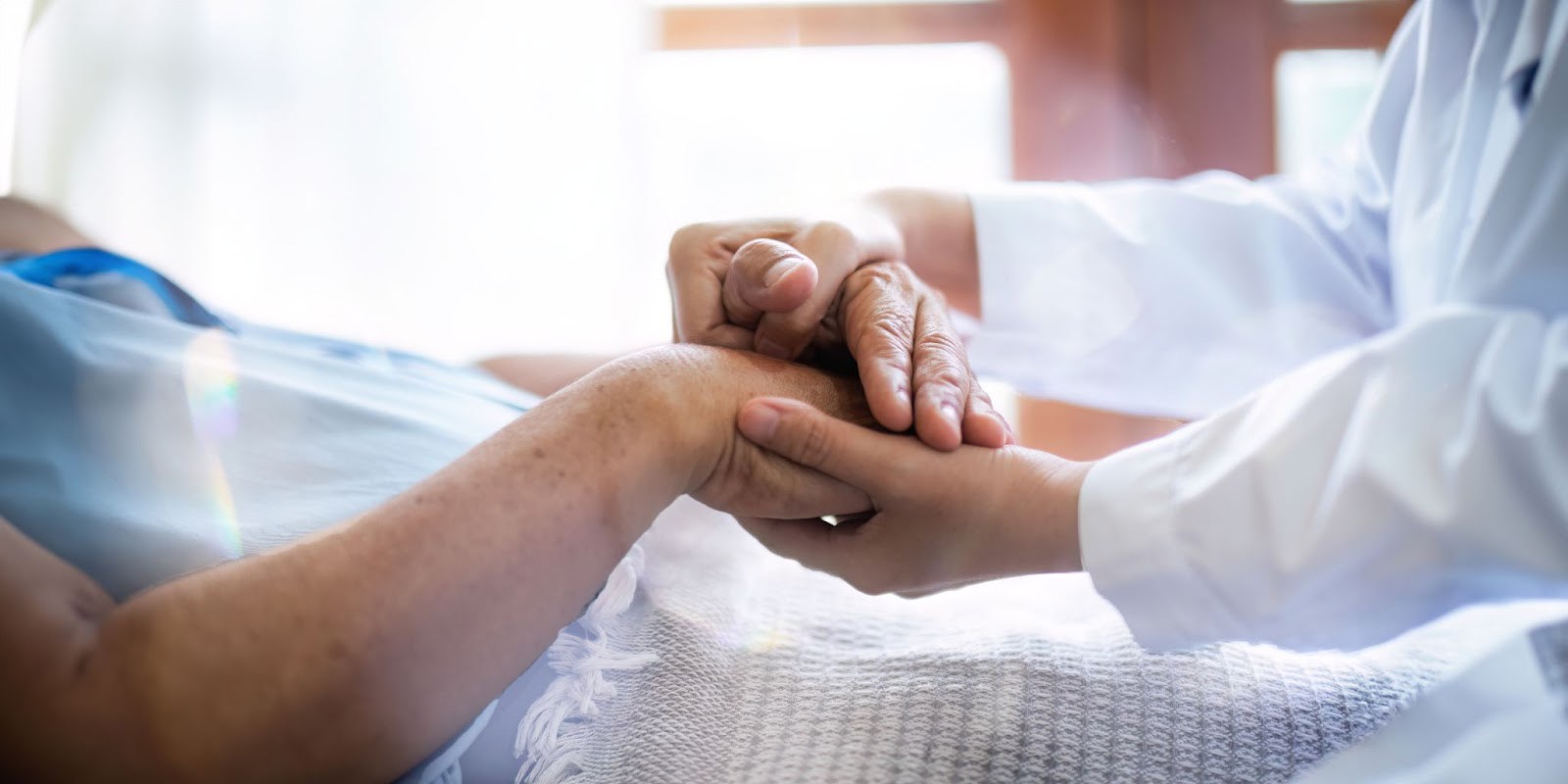
First Steps
When mental health goes out of balance, the path to the right help often feels like an impenetrable jungle. But in this jungle, there are reliable paths, and each one starts with the first door you open. Each of these specialties has its own role and can be an important anchor depending on how intense the burden is and what kind of support is needed at the moment.
It’s reassuring to know: you don’t have to find the way alone. There are clear, easily accessible stations where you can start — from the first conversation to specialized therapy:
- Family doctor: The family doctor is often the first point of contact: They can rule out physical causes, give an initial assessment, prescribe medication, or refer to specialists. Many people start here and often receive a referral or help with finding therapy.
- Psychotherapist: When talk therapy is needed, psychological or medical psychotherapists help. Using search portals (e.g., Psychotherapist Search Portal, 116117, or the Federal Psychotherapists Chamber), you can find practices nearby; if there are long waiting times, there are often waiting lists, phone counseling services, or information on alternative options (Health Foundation).
- Psychiatrist: In cases of more severe disorders, strong suicidal thoughts, psychoses, or when medication is necessary, a psychiatrist is the right address. They can prescribe medication and initiate inpatient treatment or crisis interventions if needed (Health Foundation).
If you need help urgently and cannot find a therapy spot, the family doctor’s office is a good start; they can quickly tell you which local resources are available. Many insurance companies and websites also offer practice search functions (e.g. 116117).
Differences Between Specialties
The different specialties in mental health can be confusing at first glance. However, each one fulfills its own indispensable function:
Comparison of Specialties
Psychiatrists are essentially the doctors in the lighthouse, who also maintain the technical equipment (medications, physical diagnostics). Psychotherapists are the guides inside, who help with thoughts, feelings, and life patterns.
Contact Points in Germany
When the burden becomes too great or you feel alone, a single conversation can make a crucial difference. Seeking help is not a sign of weakness! It is a brave step back into the light. And the most important thing: You do not have to take this step alone.
In Germany, there are many contact points that can provide immediate support: by phone, online, or in person. Some are available 24/7, others offer specialized counseling or direct crisis intervention. Whether you need someone to listen, seek concrete steps for treatment, or want to find out about clinics and self-help groups – there are reliable places you can turn to.
Phone Counseling & Hotlines
- TelefonSeelsorge Germany: 0800 111 0 111 / 0800 111 0 222 or 116 123 — available 24/7, anonymous, free of charge; chat and email are also available. Ideal in acute crises or when you just need someone to talk to.
- Crisis Contact Points / Local Crisis Services: Many regions offer quick crisis consultations or crisis service hours — psychenet provides lists and information on local services. In urgent medical cases: emergency room or 112.
Counseling Centers & Clinics
- Psychosocial Services / Social Psychiatry Services In the federal states, they offer counseling, mediation, and often low-threshold help for those affected and their families.
- Clinic Addresses & Specialized Clinics: German Depression Help and other portals provide lists of clinics, specialized by topic (depression, trauma-related disorders, etc.). In severe cases, inpatient or partial inpatient treatment may be advisable.
Support through the Care System (MDK & Care Level)
It is often forgotten that mental illnesses in old age can also qualify for care services.
- The focus on daily living skills: In the assessment by the Medical Service (MDK), physical frailty is no longer the only factor. The key factor is the assessment of independence and daily living skills.
- Mental burden counts: If anxiety, depression, or lack of drive lead to an inability to manage daily activities (structure, appointments, medication) independently, this is a central criterion for the classification into a care level.
Self-Help Groups
NAKOS (National Contact and Information Center for the Promotion and Support of Self-Help Groups) offers a nationwide database for searching self-help options. Self-help offers exchange, understanding, and practical tips from experience.
Note: Many health insurance companies (e.g. Techniker Krankenkasse) and health portals offer specific counseling pages, caregiver offers, and information about local care services.
What Relatives Can Do
Relatives are often the first to notice changes and can be of great help without being therapists:
- Listen without pushing: An open ear, patience, and a clear invitation to talk help immensely. Small steps matter.
- Offer concrete support: Accompany to the general practitioner, help with appointments, support with applications, or information on local services (e.g. social psychiatry services).
- Maintain boundaries & self-care: Avoid personal exhaustion, take breaks, and seek support yourself (information or caregiver groups).
- Act in acute cases: In case of suicidal thoughts, immediate self-harm or harm to others, dial emergency number 112 or contact crisis services; TelefonSeelsorge can provide short-term help.
Nora's Practical Mini Guide for Relatives:
- Talk about the change lovingly (“I noticed that...”).
- Offer concrete help (make an appointment, accompany them).
- Inform yourself about local help services (NAKOS, social psychiatry services, health insurance).
- If there is acute danger: contact emergency number 112 or crisis services.

Living with a mental illness does not mean giving up daily life – but reshaping it. Many people find ways to regain stability, meaning, and quality of life.
But this path looks different for each person: Younger people often face professional and family challenges, older people struggle with physical limitations or loneliness, and in caregiving, overload and lack of resources can hinder healing. Therefore, it is even more important to know strategies that provide support.
Daily Life & Coping Strategies
Living with a mental illness sometimes feels like carrying a backpack that suddenly becomes twice as heavy. Small tasks seem big, large tasks overwhelming. Coping strategies help make this backpack bearable again:
- Structure instead of overwhelm: Fixed daily routines, small to-dos, and clear routines provide support, especially in cases of depression, anxiety disorders, or in older age when orientation becomes harder.
- Energy management (“Spoon Theory”): People with mental illnesses need to manage their energy more consciously. "Which task is really necessary? What can wait?" – These questions help relieve the burden.
- Exercise & fresh air: Even short walks act like a mental reset. In caregiving or old age, just ten minutes outside are often enough to improve mood.
- Maintain social contacts: Isolation worsens almost all mental illnesses. A call, a short visit, or group offers can work wonders. Here, the special advantage of our platform lies: We enable access to stable relationships. Such lasting contacts are essential for the mental health of seniors, as they provide security and dispel feelings of insignificance.
- Mindfulness & relaxation: Breathing exercises, light meditation, or progressive muscle relaxation calm the body and mind. This is especially helpful with anxiety and stress.
- In caregiving: Caregivers benefit from relief offers often (daycare, short-term care, counseling centers), to avoid falling into exhaustion or burnout.
Dealing with Stigmatization
Stigma feels like carrying a heavy invisible burden, often heavier than the illness itself.
- Openness at your own pace: No one has to tell everything. But small, honest sentences towards trusted people can bring relief.
- Knowledge protects against prejudice: Those who understand what depression, anxiety, or dementia are, assess them more differentiated.
- Self-care instead of self-blame: Mental illnesses are not a weakness but medical conditions, just as real as diabetes or heart disease.
- In caregiving and old age: Older people are often particularly ashamed, as their generation rarely discussed "nervous illnesses" openly. Relatives can help by listening with understanding, not downplaying (“That’s normal in old age”), and encouraging professional help.
Prevention & Strengthening Resilience
Resilience is like an internal immune system for the soul – you can train it, whether young, employed, caregiving, or older.
- Movement & Sleep: Regular exercise and good sleep strengthen cognitive and emotional stability.
- Social Connections: Friendships, neighbors, clubs, or senior meetups – social networks act as shields.
- Learning New Skills: Whether languages, music, gardening, or a smartphone course in old age – learning new things strengthens the brain and self-confidence.
- Stress Coping Strategies: Especially in caregiving or high-pressure jobs, breaks, boundaries, and professional support help prevent burnout.
- Recognizing Early Warning Signs: The earlier you take symptoms seriously, the easier the treatment. This is especially true in old age, where many signs are mistakenly dismissed as "normal."

Mental illnesses can affect anyone – at any stage of life, even in old age. What's important is: You are not alone, and there are ways back to stability, direction, and joy of life. Whether depression, anxiety, exhaustion, or burdens from caregiving and loneliness – the earlier warning signs are taken seriously, the better the chances for improvement.
Especially in old age, symptoms are often overlooked or dismissed as "normal aging." However, persistent fatigue, withdrawal, sleep problems, forgetfulness, or unexplained physical complaints can be signs of emotional stress. Therefore, it's worth paying attention – to yourself and the people around you.
If you notice signs or are concerned, talk about it: with your general practitioner, a psychotherapist, a psychiatrist, or a hotline. Relatives, neighbors, caregivers, and home care services can also provide important support, especially as they often notice changes early on.
Seeking help is not a sign of weakness but an act of courage and self-care, and it is never too late for it. Mental health matters at any age. Take care of yourself and use the support that's available. You are not alone – and with the right help, you can regain strength, clarity, and quality of life, whether you're 25, 55, or 85 years old.


- Affective Disorders: Mental disorders primarily affecting mood (e.g., depression or bipolar disorder), manifested in persistent periods of sadness or excessive elation.
- Psychotherapy: A treatment method based on conversations. It helps change thoughts, feelings, and behaviors and is the foundational therapy for many mental illnesses.
- Cognitive Behavioral Therapy (CBT): A very effective form of psychotherapy focused on identifying and adjusting negative thought patterns and dysfunctional behaviors.
- Neuroleptics (Antipsychotics): Medications primarily used for treating psychotic disorders like schizophrenia, to suppress delusions and hallucinations.
- Anxiolytics (Sedatives): Medications that can temporarily help with strong anxiety, restlessness, or panic, but due to side effects and addiction risks, they should be used cautiously in older age.
- Resilience: Psychological resilience; the ability to cope with difficult life situations (such as loss or stress) without lasting psychological damage.
- Psychologist: Has studied psychology and performs psychological diagnostics and counseling. May not prescribe medication (distinction from psychiatrist).
- Psychiatrist: A specialist who may prescribe medication (e.g., antidepressants), exclude physical causes, and initiate inpatient treatment.
- iCBT (Internet-based Cognitive Behavioral Therapy): A digital form of cognitive behavioral therapy that can be conveniently accessed from home (especially appealing to older people with mobility restrictions).
- Dementia: A neurological disease that leads to a progressive loss of cognitive abilities (memory, orientation) and is often accompanied by parallel psychological symptoms (anxiety, depression).
- Obsessive-Compulsive Disorder (OCD): A disorder where obsessive thoughts or rituals (such as constant hand-washing or checking) intrude and significantly hinder daily life.
Additional Sources:
- https://www.meduniwien.ac.at/web/ueber-uns/news/detailseite/2020/news-im-maerz/neue-einblicke-in-die-entstehungsmechanismen-der-schizophrenie/
- https://www.gelbe-liste.de/psychiatrie/biologisches-alter-beeinflusst-psychische-gesundheit
- dza.de
- dggpp.de
- https://register.awmf.org/de/leitlinien/aktuelle-leitlinien/fachgesellschaft/038
- register.awmf.org/assets/guidelines/nvl-005p-ll1_S3_Unipolare_Depression_2025-01.pdf
- https://www.bptk.de/pressemitteilungen/im-alter-einseitig-medikamentoes-behandelt/
- https://www.vfa.de/de/patienten/depression-medikamente
- https://www.therapie.de/fileadmin/dokumente/pi/therapiede_Dossier_Psychische_Stoerungen_im_Alter.pdf

