Care ABC - D for diabetes

Caring for someone with diabetes – a challenge you can master! Diabetes often enters everyday life quietly and then remains noticeable every single day. Suddenly it’s no longer just about numbers and medication, but about safety, routine, and the reassuring feeling: “I’ve got this under control.” In Europe, around 32 million adults live with diabetes. In Austria, there are about 600,000 people, and in Germany over 8 million diagnosed individuals – and the numbers are rising. For many families, this means: care becomes a daily companion, not the exception.
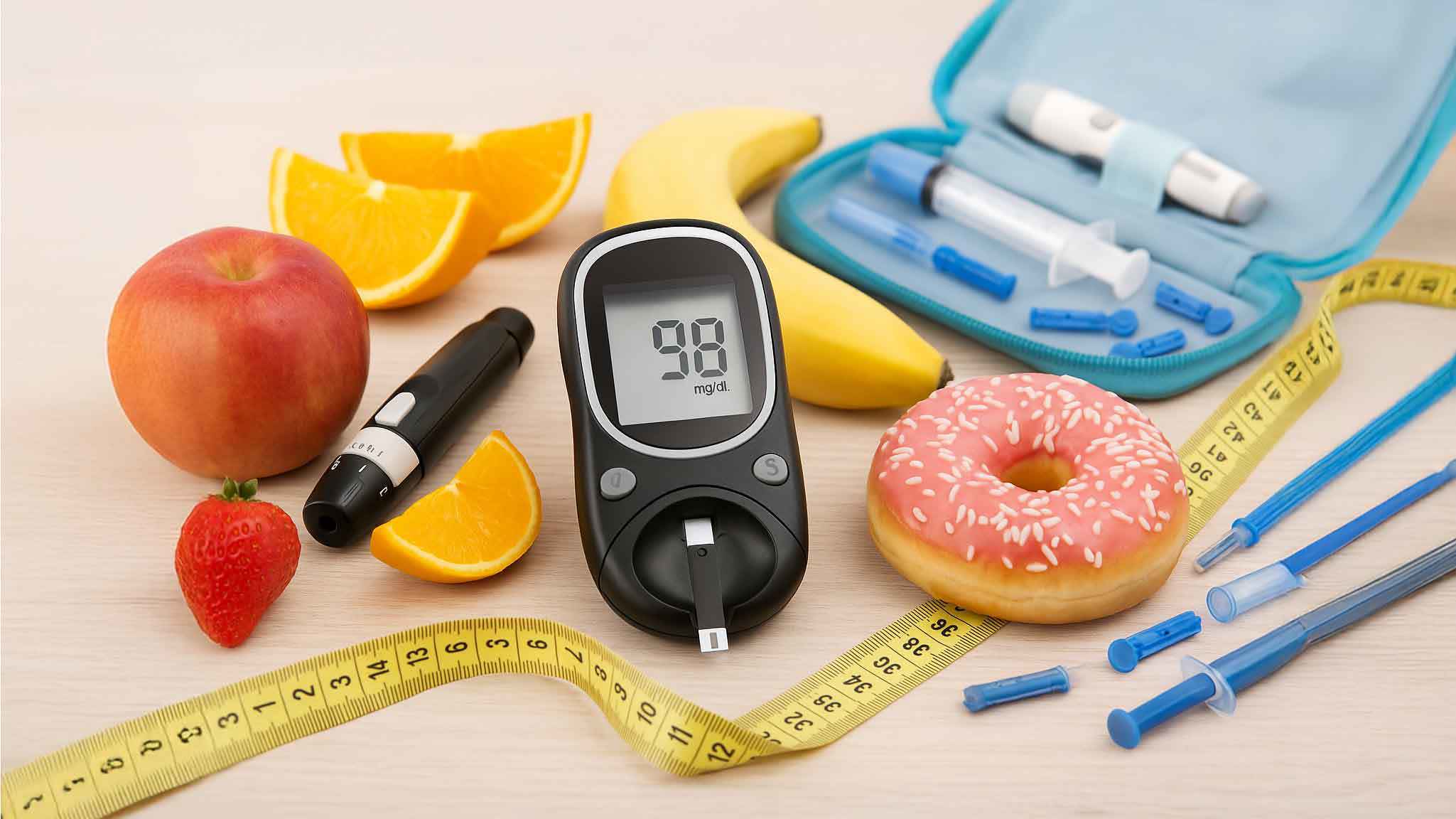
Whether it’s blood glucose monitoring, insulin, nutrition, foot and skin care, or acting correctly in an emergency: your attentiveness makes a real difference. It helps detect complications early, prevent secondary diseases, and noticeably protect your loved one’s quality of life.
In this article, we guide you step by step through the most important topics related to diabetes care: clearly explained, practical in structure, and with clear checklists for everyday life. So you have to worry less and feel more confident when it really matters.
Diabetes mellitus – often simply called “diabetes” – is a chronic metabolic disease in which blood sugar levels remain permanently elevated. The cause is a disorder related to the hormone insulin: either the body produces too little of it or the body’s cells no longer respond adequately to it.
Insulin acts like a biological key. It allows glucose to move from the blood into the cells and be used there as energy. If this system no longer works reliably, sugar accumulates in the blood – with long-term consequences for blood vessels, nerves, and organs.
Diabetes is now one of the most common chronic diseases in Europe. Estimates by international health organizations suggest that several dozen million people across Europe are affected – and the trend is rising. In Germany, current surveys show that around 8 to 9 million people live with diagnosed diabetes, with a high number of unreported cases in addition. In Austria, it is estimated that around 600,000 to 800,000 people are affected. Especially with type 2 diabetes, the disease often remains undetected for a long time because symptoms develop slowly and initially appear nonspecific.
The discovery of diabetes – a story that changed lives
Diabetes is not a new disease. More than 2,000 years ago, physicians in India and Greece described a condition in which affected individuals had to urinate excessively. The term “diabetes” comes from Greek and means “to flow through.”
A particularly striking observation comes from ancient India: physicians noticed that ants were attracted to the urine of certain patients – it tasted sweet. This later led to the addition “mellitus,” meaning “honey-sweet.”
For a long time, however, diabetes was a death sentence. Children with type 1 diabetes in particular often survived only a few months after diagnosis.
The breakthrough came in 1921 in Canada: the researchers Frederick Banting and Charles Best isolated insulin from the pancreas for the first time. One year later, the first child was successfully treated with insulin. For the first time, diabetes was treatable – and millions of lives were saved.
Today, more than 100 years later, modern insulin therapies, sensors, and pump systems enable a self-determined life with diabetes. Yet despite all the technology, one thing remains crucial: attentive, well-informed diabetes care.

Which types of diabetes should you know in care?
Not every form of diabetes is the same. For diabetes care, it is important to know which type you are dealing with – because therapy, risks, and daily routines differ significantly.
Example from everyday care
- Type 1 – Max, 12 years old: Max needs insulin several times a day – either via pen or an insulin pump. Your task is to regularly check blood glucose levels, plan meals, and quickly recognize hypoglycemia. Here, structure means safety.
- Type 2 – Mrs. Huber, 75 years old: Her condition developed slowly. Perhaps it began with fatigue, then tablets, later insulin. Your care supports her in taking medication correctly, incorporating movement into daily life, and consciously shaping her diet. Here, continuity is crucial.
Why this knowledge is important: The better you understand which type is present, the safer your diabetes care will be. Because each form comes with its own risks, its own emergency situations, and its own care goals.

Diabetes does not always develop loudly and clearly. Type 2 diabetes in particular can build up gradually over years: initial changes are easily overlooked or dismissed as “stress,” “age,” or “just a bad day.” This is exactly where your role in diabetes care is so valuable: observe attentively, recognize patterns, and respond early. Because the earlier diabetes is detected and well controlled, the better secondary diseases can be prevented or significantly delayed.
Early signs of diabetes: These symptoms you should know! Symptoms can vary in intensity depending on the type of diabetes, age, general health, and even the day. What matters less is a single sign and more the combination and repetition over a period of time.
Classic main symptoms
- Intense thirst (Polydipsia) - When blood sugar is elevated for a longer period, the body tries to eliminate the excess sugar through the kidneys. This only works with plenty of fluid: the body loses more water, mucous membranes dry out, and a pronounced feeling of thirst develops. It is typical for those affected to drink significantly more than usual and often wake up at night because their mouth is dry.
- Frequent urination (Polyuria) - Due to increased sugar excretion, more urine is produced. In everyday care, this is often first noticed at night: frequent trips to the bathroom, restless sleep, possibly even “accidents” in people who were previously continent. In older adults, this can increase the risk of falls because they get up more often in the dark.
- Unexplained weight loss (common in type 1, sometimes also in uncontrolled type 2) - If sugar does not enter the cells, the body lacks energy, even though enough “fuel” would be present in the blood. The body switches to emergency mode and breaks down fat and muscle reserves to gain energy. This can lead to weight loss despite normal or increased appetite. In type 1, this can happen quickly and must be taken very seriously.
General, often overlooked symptoms
- Fatigue and exhaustion - Many affected individuals feel constantly “drained” because their cells receive too little energy. This is not normal tiredness after a long day, but rather a persistent slump in performance.
- Concentration problems and “brain fog” -Fluctuating blood sugar levels affect mental performance. Those affected may appear more forgetful, have difficulty following conversations, or need longer for everyday decisions.
- Irritability, mood swings, and lack of drive -Blood sugar fluctuations can affect mood and stress tolerance. In daily life, this sometimes shows up as being “unusually quickly annoyed,” withdrawing, or feeling too exhausted for simple tasks. Especially in older people, this is often misinterpreted.
- Decline in everyday performance -If walks, climbing stairs, housework, or small errands suddenly become much more difficult, it is worth taking a closer look. Not every cause is diabetes, but diabetes can be an important part of the explanation.
Skin and infection signs
- Poorly healing wounds -High blood sugar levels impair circulation and immune defense. Even small scratches, pressure points, or blisters can remain open longer or become inflamed. Particularly relevant in care: feet, heels, spaces between the toes, and areas that are pressured by shoes or aids (e.g., orthoses).
- Recurring infections -Typical are frequent urinary tract infections or recurring inflammations because bacteria have better conditions with increased sugar levels and the immune system works less effectively. If someone has infections “again and again,” this is an important warning sign.
- Fungal infections and itching -Fungi thrive in warm, moist skin areas and with increased sugar content in tissues. Skin folds (e.g., groin) are often affected, as well as the genital area. Itching can also be intensified by dry skin.
- Dry, cracked skin -Fluid loss and circulatory disorders lead to dry skin, sometimes with fine cracks. These are not only uncomfortable but can also serve as entry points for germs.
Neurological and sensory warning signs
- Blurred vision - Fluctuating blood sugar levels change the fluid balance of the eye lens. This can temporarily lead to blurred vision, especially with strongly fluctuating levels. If this happens more frequently, it should be medically evaluated.
- Tingling, numbness or burning pain in the feet and hands - This may indicate diabetic neuropathy. Those affected feel pressure points, heat or minor injuries less clearly. In daily care, this is critical because wounds are often noticed late and can worsen more quickly.
- Unsteady gait and increased risk of falls - If sensation in the feet decreases or pain occurs while walking, the gait pattern often changes. Additionally, visual disturbances or nighttime trips to the toilet can increase the risk of falls. It is worthwhile to think early about safe pathways, proper footwear and adequate lighting.
Acute warning signs in type 1 diabetes
Especially in children, adolescents (and sometimes also in adults with newly diagnosed type 1 diabetes), symptoms can escalate within a short time.
- Rapid, deep breathing and noticeable exhaustion - The body tries to compensate for acidosis, which can be reflected in significantly deepened breathing.
- Fruity breath (acetone smell), abdominal pain, nausea, vomiting - This may indicate diabetic ketoacidosis. This situation is a medical emergency and must be treated immediately.
- Confusion, severe weakness, increasing drowsiness - If those affected appear “not quite there,” react atypically or collapse, the rule is: do not wait. In such cases: seek medical help immediately (112 in Germany, 144 in Austria).
Long-term consequences: Why early action is so important
Untreated or poorly controlled diabetes can damage blood vessels and nerves over the years. Many secondary diseases do not occur suddenly but develop slowly, often unnoticed. That is precisely why a consistent daily routine is so important.
- Cardiovascular diseases and stroke - Diabetes increases the risk of atherosclerosis. This can contribute to heart attacks, circulatory disorders or stroke, especially if high blood pressure or elevated blood lipids are also present.
- Kidney damage (diabetic nephropathy) - The kidneys continuously filter sugar-rich blood. Over time, this can damage the delicate filtering structures. Early signs are often only visible in laboratory values, which is why regular check-ups are important.
- Nerve damage (polyneuropathy) - When nerves are damaged, the sensation of pain, temperature and pressure suffers. This is a key reason why foot care and daily inspection are so important.
- Diabetic foot syndrome - Due to neuropathy and poorer circulation, small injuries can become chronic wounds. The risk increases further with improper footwear, pressure points and lack of daily inspection.
- Eye diseases (diabetic retinopathy) up to vision loss - In the long term, the smallest vessels in the retina can be damaged. Regular ophthalmologic check-ups are therefore an important part of prevention.
Many of these risks can be significantly reduced through stable blood sugar control, consistent skin and foot care, an adapted diet, regular physical activity and medical check-ups.
For you as a caregiver, this means: observe attentively, document changes and work closely with doctors and the treatment team.

What really works – and why medical guidance is crucial! Diabetes is not a disease that suddenly appears “out of nowhere.” Type 2 diabetes in particular usually develops over years. That is exactly why prevention is so effective.
Important to know: Prevention does not replace medical care. It complements it. Any change – especially with an existing diabetes diagnosis – should always be coordinated with a general practitioner or diabetologist.
International studies such as the Diabetes Prevention Program clearly show: Targeted lifestyle changes can reduce the risk of type 2 diabetes by up to 58–70%. Even if diabetes has already been diagnosed, these measures help stabilize blood sugar levels and reduce secondary diseases.
Stabilize weight and metabolism
Even a moderate weight reduction of 5–7% of body weight can significantly improve insulin sensitivity. This means the body responds better again to its own insulin.
In practical terms for everyday life, this means:
- smaller, consciously chosen portions
- regular meals without long periods of hunger
- no extreme diets
- realistic, achievable goals
- long-term changes instead of short-term “programs”
Important: Crash diets destabilize blood sugar, promote cravings and are not medically recommended.
For older people, the focus is not on weight loss at any cost, but on metabolic stability. A doctor should always clarify which goal is appropriate.
Exercise as a daily “medicine”
Physical activity has a direct effect on insulin sensitivity – regardless of body weight. Muscles use glucose and thus lower blood sugar levels.
Recommendation according to European guidelines:
-
at least 150 minutes of moderate exercise per week
or - about 30 minutes on five days per week
Suitable activities include:
- brisk walking
- cycling
- swimming
- light strength training
- gymnastics or functional exercises
For older or care-dependent individuals, seated exercises or targeted balance training can also be beneficial.
Important: Before starting a training program, medical consultation should always take place – especially in cases of cardiovascular disease or neuropathy.
Nutrition – stable rather than extreme
A diabetes-appropriate diet does not mean a list of prohibitions, but structure and balance.
Recommended:
- whole grain products with a low glycemic index
- legumes
- vegetables and salad
- protein-rich meals
- high-quality fats such as olive oil or nuts
Should be reduced:
- highly processed foods
- sugary drinks
- very sugary snacks
- white flour products
What matters is the even distribution of carbohydrates throughout the day.
For cultural eating habits, religious festivals or family celebrations, the rule is: plan instead of prohibit. Choose portions consciously, calculate carbohydrates and take medically coordinated insulin or medication adjustments into account.
For individual nutrition planning, consultation with dietitians or diabetes educators is recommended.
Quit smoking – protection for blood vessels and nerves
Smoking doubles the risk of type 2 diabetes and worsens circulation. This is particularly dangerous for:
- feet
- nerves
- heart and blood vessels
Quitting smoking improves vascular function after just a few weeks. Here too: seek professional support if needed.
Regular preventive check-ups
Early detection is one of the most effective preventive measures.
Especially important for:
- overweight
- family history
- high blood pressure
- lipid metabolism disorders
- history of gestational diabetes
Recommended checks:
- fasting blood glucose
- HbA1c value
- blood pressure
- cholesterol levels
- weight development
You can find official information at diabinfo.de and gesundheits.gv.at. Especially for older people or those with dementia, it is important to plan examination appointments in a structured way and document results.
Fluids – often underestimated
Adequate drinking supports:
- kidney function
- blood sugar stability
- circulation
- concentration
Older people in particular often drink too little because the feeling of thirst decreases. In daily care, it can help to:
- create drinking plans
- provide water visibly
- actively offer drinks
- document fluid intake
Nora’s tip for practice
A hyperosmolar coma – an extreme hyperglycemia with severe dehydration – is rare, but especially in older people with type 2 diabetes it is life-threatening.
This shows: prevention means not only nutrition and exercise, but also regular monitoring, documentation and timely medical consultation.
In diabetes care, your most important tools are:
- structured routines
- consistent observation
- accurate documentation
- close cooperation with medical professionals
Prevention is teamwork – between you, your relative and the treatment team.

Diabetes is not a condition that can be managed “on the side.” It requires structure, attention, and clear procedures. Because elevated blood sugar levels can damage nerves, blood vessels, eyes, and organs in the long term, your knowledge is a crucial protective factor.
In diabetes care, it is not just about individual measures – but about a well-thought-out overall concept. Your daily observation, structured approach, and documentation form the foundation for safety and quality of life.
Care planning for diabetes: how to proceed in a structured way (AEDL / nursing process)
Good care is not based on intuition, but on systematic practice. The AEDL model (Activities and Existential Experiences of Life) or the classic nursing process help you proceed in a structured way.
Identifying care problems
Typical care problems in diabetes may include:
- Risk of hypoglycemia (low blood sugar)
- Risk of hyperglycemia
- Risk of skin lesions
- Risk of diabetic foot syndrome
- Risk of falls due to neuropathy
- Risk of dehydration
- Knowledge deficit in handling insulin or nutrition
- Limited self-management ability
The goal here is to identify risks early – not to react only after something has already happened.
Defining care goals
Short-term goals:
- Stable blood sugar levels within the target range
- No acute hypo- or hyperglycemia
- Intact skin without pressure sores
- Safe medication intake
Long-term goals:
- Prevention of long-term complications
- Maintaining mobility
- Preserving independence for as long as possible
- Establishing a safe daily routine
Goals should be realistic, measurable, and individually tailored.
Planning concrete measures
- Fixed times for blood sugar measurements
- Structured meal planning
- Integration of physical activity
- Daily foot and skin check
- Monitoring fluid intake
- Education and guidance in case of uncertainty
- Organizing regular medical check-ups
Important prophylactic measures
Diabetes increases various risks. Therefore, these preventive measures are part of the daily routine:
- Pressure ulcer prevention
- Fall prevention
- Thrombosis prevention
- Contracture prevention
- Dehydration prevention
Here, diabetes care and general nursing care go hand in hand.
Evaluation: review regularly
Check regularly:
- Are blood sugar levels within the target range?
- Were there episodes of low or high blood sugar?
- What is the condition of the feet?
- Are there any new complaints?
- Are medications being taken correctly?
Evaluation means: adjust if something is not working.
Documentation – your safety net
Document:
- Blood sugar levels (with time)
- Meals
- Insulin administrations or tablet intake
- Abnormalities of the skin or feet
- Emergency situations
- Doctor appointments and adjustments
A structured blood sugar log not only provides medical protection – it also protects you legally.
Important nursing measures in diabetes
Types of insulin & therapy principles explained briefly
- Basal insulin - Acts slowly and covers the basic requirement throughout the day.
- Bolus insulin - Injected at mealtimes to cover carbohydrates.
- Mixed insulin - Combination of basal and rapid-acting insulin.
- Oral antidiabetics (e.g. Metformin) - Improve insulin action or reduce sugar production in the liver.
Important for you as a caregiver:
- Dosages must not be changed independently.
- Insulin therapies are adjusted exclusively by a physician.
- If in doubt, always consult the treatment team.
- Safety comes first.
Special attention to skin & feet
The diabetic foot is one of the most common and at the same time most dangerous complications.
Due to neuropathy, those affected often do not feel pressure or minor injuries. At the same time, wound healing is delayed.
The daily routine:
- Clean feet with lukewarm water
- Dry carefully – especially between the toes
- Apply cream to the skin (not between the toes)
- Cut nails straight or have them treated by a podiatrist
- Check shoes for pressure points
Even small redness or blisters must be taken seriously.

Hypoglycemia (low blood sugar) and hyperglycemia (high blood sugar) are emergencies that require quick and confident action. You should know the symptoms of both conditions in order to respond appropriately in an emergency. Important: Every measure is based on the individual therapy plan. If you are unsure or the condition worsens rapidly, always remember: it is better to seek medical help once too early than too late.
Hypoglycemia (low blood sugar) – This is an acute emergency!
When blood sugar levels are too low, the body reacts with warning signs. Every minute counts here.
Symptoms:
- Cold sweat and trembling: often the first and most noticeable signs.
- Rapid heartbeat and intense hunger: the body switches to “alarm,” those affected suddenly appear restless.
- Difficulty concentrating and confusion: the person seems “different,” responds slowly, or is unusually irritable.
- Unconsciousness: in the worst case, the person loses consciousness.
Immediate measures in case of hypoglycemia:
- Quickly give sugar: glucose tablets, sugary drinks (juice, cola) or sugar cubes.
- Afterwards (if possible) something longer-acting: e.g. bread, yogurt or a small meal to keep the level stable.
- If unconscious: call emergency services immediately (144 in Austria, 112 in Germany) and place the person in the recovery position. Do not give anything to eat or drink.
When call 112/144 immediately?
Call emergency services immediately if at least one of the following applies:
- Unconsciousness or seizure
- severe confusion, strong aggression or “no longer responsive”
- Swallowing disorder or risk of choking (e.g. the person cannot drink safely)
- no clear improvement after rapid sugar intake within a short time
- Hypoglycemia after insulin/medication and you cannot stabilize the situation quickly
- You are alone and feel overwhelmed or unsure
Glucagon: when is it relevant?
Glucagon can help in severe hypoglycemia if the person cannot safely eat or drink. Whether glucagon is appropriate for your relative must be decided by a doctor. Clear instruction is important: you should know exactly where it is stored, how it is administered and when it may be used. Discuss this with the treatment team and keep the instructions easily accessible in the emergency plan.
Hyperglycemia (High blood sugar) – A creeping emergency!
This condition usually develops more slowly but is dangerous in the long term. It can lead to a severe metabolic imbalance (e.g. hyperosmolar coma).
Symptoms:
- Severe thirst and frequent urination: the body tries to excrete the sugar via the kidneys.
- Fatigue and exhaustion: those affected appear increasingly weak.
- Nausea, headaches and abdominal pain.
- Fruity breath (acetone): particularly relevant as a warning sign of severe metabolic imbalance.
Immediate measures for hyperglycemia:
- Contact the treating doctor, especially in case of significantly elevated values or new symptoms.
- Give fluids (water) if the person is awake and able to swallow.
- Important: Do not give sugar under any circumstances.
- If the person is unconscious or appears severely drowsy: call emergency services (112/144).
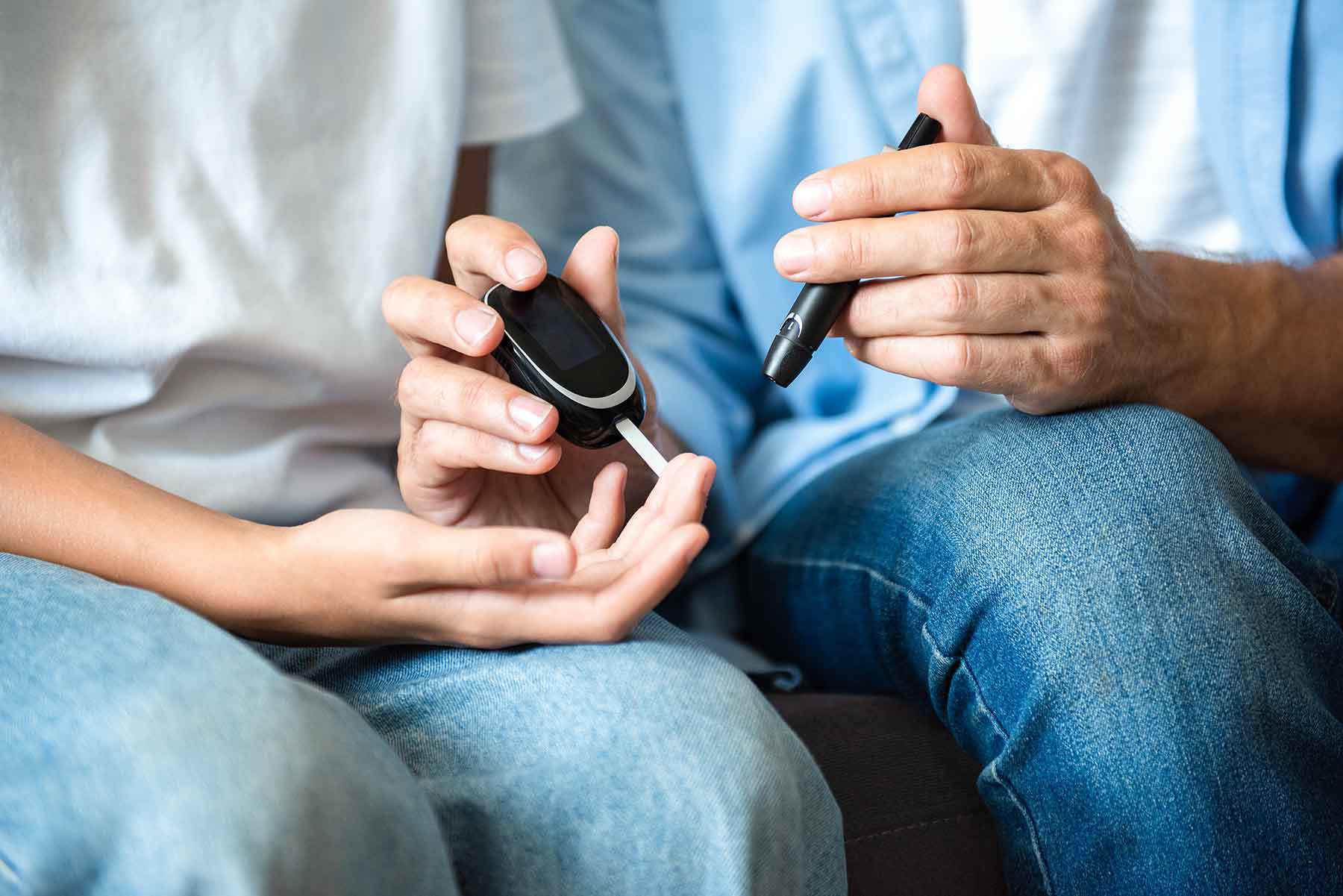
In everyday life, diabetes is often manageable. However, there are situations in which routines can falter more quickly, risks increase or decisions become more difficult. Clear structures, simple agreements and a realistic plan are especially helpful here.
Diabetes & Dementia
Typical challenges:
People with dementia forget meals, eat twice, drink too little or can no longer clearly describe symptoms of hypoglycemia. This increases the risk of hypoglycemia, but also of hyperglycemia due to irregular eating or misjudged portions. In addition, confusion caused by blood sugar fluctuations may be mistakenly interpreted as a “dementia episode.”
Care hack for everyday life:
- Visual routines: daily plan with symbols for eating, drinking, measuring, exercise
- Fixed meals and simple, recurring dishes (fewer surprises, more stability)
- “Simple monitoring”: briefly note values and abnormalities so doctors can recognize patterns
Children & adolescents with type 1 diabetes (family life)
Typical challenges:
School, excursions, sports and growth often make blood sugar levels more unpredictable. Hypoglycemia can occur more quickly during physical activity, and adolescents test boundaries because they want to be independent. At the same time, they need security without constantly feeling “different.”
Care hack for everyday life:
- Always pack an emergency kit (glucose tablets, drink, plan, contacts)
- Clear agreements with school, sports club and caregivers: What to do in case of hypo? Who to call?
- Transfer responsibility according to age: small steps instead of “all at once”
Neuropathy & chronic wounds
Typical challenges:
When the sensation of pain or pressure decreases, small injuries are often noticed late. In addition, there is poorer circulation and slower wound healing. As a result, blisters, pressure points or small cracks can quickly turn into chronic wounds.
Care hack for everyday life:
- Daily foot check in good lighting (also between the toes)
- Take pressure relief seriously: suitable shoes, no seams/friction, clarify pressure points immediately
- Seek professional help early: involve podiatry and wound care if redness, oozing, odor or pain occur
Older people / geriatrics
Typical challenges:
In older people, hypoglycemia is particularly dangerous: risk of falls, confusion and circulatory problems increase. In addition, there is often multiple medication use, reduced sensation of thirst and fewer reserves during infections.
Care hack for everyday life:
- Focus on safety: good lighting at night, fixed paths to the toilet, non-slip shoes
- Establish and document a drinking routine if necessary
- Keep the medication plan up to date and coordinate changes closely with doctors
You do not have to handle diabetes care alone. Especially when the diagnosis is new or the condition changes, it is important to know: there is financial support, counseling services and legal entitlements – both in Germany and in Austria.
The earlier you inform yourself, the better you can make decisions that provide long-term security.
For Germany: Care levels & your entitlements
In Germany, support is based on the care levels (1–5). They are determined by the Medical Service (MD) and are based on how much independence is restricted.
With diabetes, for example, the following factors can lead to a care level:
- Nerve damage (polyneuropathy)
- limited mobility
- visual impairments
- high need for support with medication or insulin therapy
- regular emergency situations
- limited everyday competence
With a recognized care level, you are entitled to:
- Care allowance (for home care by relatives)
- In-kind care benefits (for professional services)
- Combination benefits
- Relief amount
- Subsidies for aids
- Short-term and respite care
Good preparation for the assessment is important. Document exactly how much support is truly needed in everyday life. Especially with diabetes, many activities are underestimated because they “only take a short time” – but together they add up significantly.
For a detailed explanation of the differences and benefits, read our article: Care level or care grade in Germany There you will find all details explained clearly.
For Austria: Care levels & care allowance
In Austria, care needs are divided into seven care levels . The decisive factor is the monthly time required for care and support.
Diabetes can – depending on its course – lead to classification if, for example:
- regular help with insulin therapy is required
- foot care is no longer possible independently
- mobility is restricted
- complications such as neuropathy or visual problems exist
- permanent monitoring is required
The care allowance is not earmarked for a specific purpose. It is intended to offset additional care-related costs and can be used flexibly – for example for support, mobile services or aids.
The same applies here: A realistic assessment of the actual care effort is crucial. Many families underestimate how much daily organization lies behind blood sugar measurement, medication administration, documentation and prevention.
For a detailed overview of all levels and amounts, you can find more information here:
“Care levels 1–7 in Austria explained simply”
Why knowing your rights is so important
Diabetes is a chronic illness. Care is not a “short phase,” but often long-term support.
If you know
- what support you are entitled to,
- how applications are submitted,
- which benefits can be combined,
Then you create financial and organizational leeway for yourself.
And this leeway makes a big difference in everyday life.
If you are unsure which support makes sense in your situation, you can seek advice – or get support from a suitable caregiver.
noracares helps you find the right support for your family – individual, transparent and compassionate.
Diabetes therapy is developing rapidly. What was still a vision of the future a few years ago is now reality – and much of it also noticeably облегчates diabetes care.
Here you get an overview of the most important developments that will play a role in 2026.
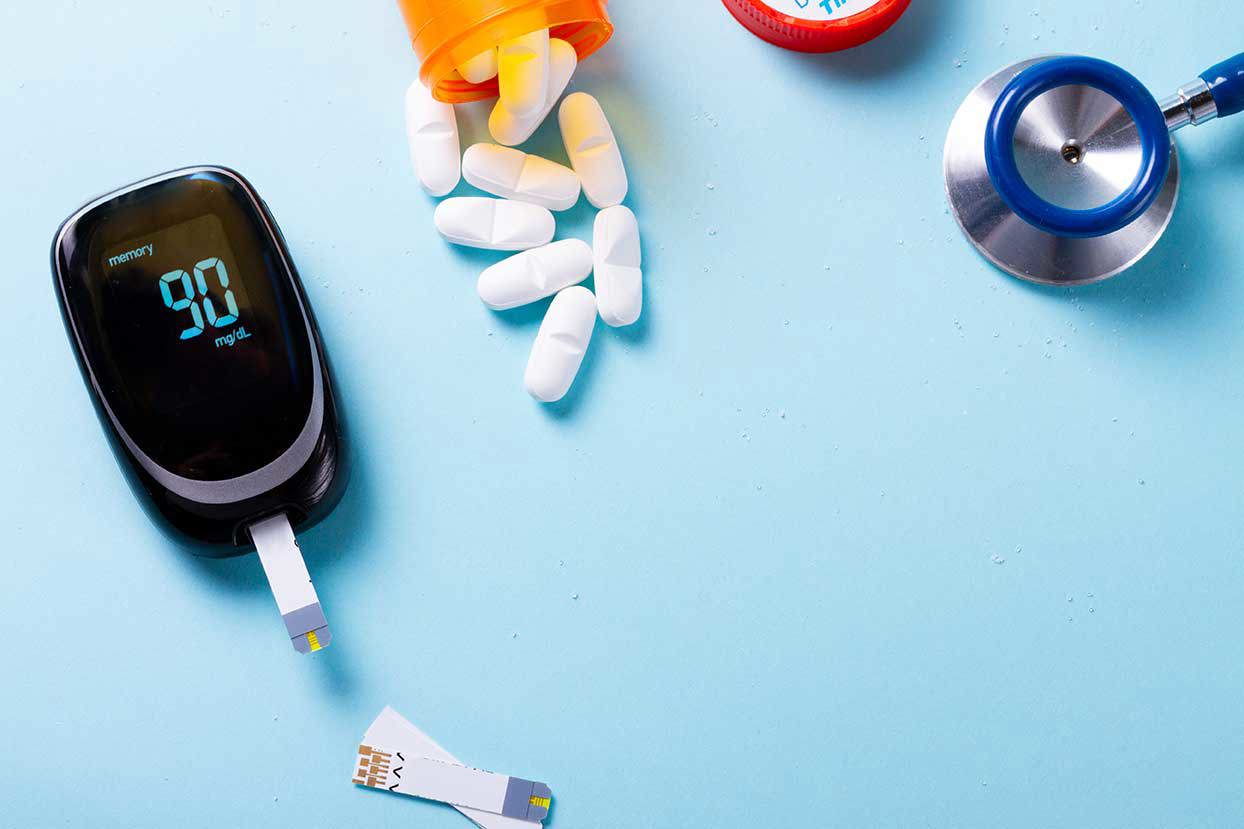
Modern glucose sensors (CGM & FGM)
Continuous glucose monitoring systems (CGM) measure blood sugar around the clock via a sensor under the skin. They send values directly to a smartphone or receiver.
What this means for care:
- fewer finger pricks
- trend arrows instead of single values
- early warnings in case of hypo- or hyperglycemia
- better tracking of patterns
Especially for children, older people or individuals with impaired hypoglycemia awareness, these systems provide a significant safety benefit.
More information:
- Germany: https://www.diabinfo.de
- Austria: https://www.gesundheits.gv.at
Hybrid closed-loop systems (“artificial pancreas”)
Modern insulin pumps can now be paired with sensors. They automatically adjust insulin delivery based on measured values.
The system calculates in the background:
- current glucose values
- trends
- individual insulin sensitivity
These so-called hybrid closed-loop systems significantly reduce hypoglycemia and improve time in range (“Time in Range”).
Studies show that these systems sustainably improve metabolic control, especially in type 1 diabetes.
Source: German Diabetes Society (DDG) and International Diabetes Federation (IDF)
New medications for type 2 diabetes
In recent years, medication classes have been further developed that not only lower blood sugar but also protect the heart and kidneys. Especially relevant:
SGLT2 inhibitors
- lower blood sugar via the kidneys
- reduce cardiovascular risks
- show positive effects in heart failure
GLP-1 receptor agonists
- improve blood sugar control
- promote weight loss
- reduce cardiovascular risks
These active substances are increasingly also used preventively in high-risk patients. Important: Medication adjustments are made exclusively by a physician.
Telemedicine & digital support
Since the pandemic, telemedicine has been an integral part of many diabetes treatment models.
What is common in 2026:
- digital consultations
- automatic data transmission from sensors
- digital blood sugar diaries
- structured apps to support therapy
For you in nursing care, that means:
- less travel
- faster feedback
- better documentation
- more direct coordination with the treatment team
Research: prevention & remission in type 2 diabetes
New studies show that early, intensive lifestyle intervention in type 2 diabetes can, in certain cases, even lead to remission—meaning normal blood sugar levels without medication.
Especially relevant:
- structured weight programs
- medically supervised dietary changes
- bariatric surgery for severe obesity
Studies such as the Diabetes Prevention Program (DPP) continue to show that targeted lifestyle measures can reduce the risk of type 2 diabetes by up to 58–70%.
Source: National Institute of Diabetes and Digestive and Kidney Diseases (NIDDK)
What these developments mean for nursing care
Technology does not replace care—but it supports it.
Modern systems:
- increase safety
- reduce emergencies
- make documentation easier
- relieve family members
Despite all the technology, one thing remains crucial: Observation, communication, and individualized adjustments. Technology is a tool. You are the constant.

Diabetes can start quietly, but it remains present in everyday life. And yes: Sometimes that can feel like “constantly having to watch out.” That’s exactly why your role is so valuable. With structure, observation, and good documentation, you create safety before small warning signs turn into real problems.
If you take away three things, let them be these:
First: Routine protects. Regular measurement times, clear meal times, drinking routines, and a daily foot check make the difference.
Second: Emergency knowledge relieves pressure. If you recognize hypoglycemia and hyperglycemia and have an emergency plan at hand, you become capable of acting instead of being caught off guard.
Third: You don’t have to carry this alone. Good diabetes care is teamwork: you, your family member, and the treatment team belong together.
And if you need additional support in everyday life: noracares helps you find suitable support or a caregiver who truly fits your situation. Visit noracares.at and start your personal matching.


- Blood sugar level: A value that indicates the concentration of sugar (glucose) in the blood and must be measured regularly.
- Bread units (BU) / carbohydrate units (CU): Units of measurement for calculating the amount of carbohydrates in foods in order to better adjust the insulin dose or therapy.
- CGM/FGM: Systems for continuous (CGM) or flash glucose monitoring (FGM) with a sensor that display glucose values and trends.
- Diabetic ketoacidosis: Severe metabolic decompensation (especially in type 1 diabetes), a medical emergency with acidification of the body.
- Diabetic foot: A common late complication of diabetes involving nerve damage and circulatory disorders in the feet, meaning wounds are noticed less and heal more poorly.
- Diabetic foot syndrome: A complication due to neuropathy and impaired circulation with an increased risk of chronic wounds and infections.
- Diabetes mellitus: Chronic metabolic disease with persistently elevated blood sugar.
- HbA1c: A long-term value that reflects the average blood sugar level over the past weeks.
- Hyperglycemia: High blood sugar, in which the blood sugar level is too high. It often develops gradually and can become dangerous if it gets out of control.
- Hypoglycemia: Low blood sugar, in which the blood sugar level is too low. It can quickly become dangerous and requires prompt action.
- Insulin: A hormone that “channels” glucose from the blood into the body’s cells so it can be used as energy.
- Insulin resistance: Reduced sensitivity of the body’s cells to insulin, meaning sugar is absorbed from the blood less effectively (typical in type 2 diabetes).
- Neuropathy: Nerve damage, often with tingling, numbness, or burning pain, especially in the feet and hands.
- Care level: Classification of care dependency in Germany, which determines the extent of needed help and possible benefits (e.g., care allowance).
- Prevention: Preventive measures intended to reduce the risk of a disease or delay complications.

