Care ABC - E for Epilepsy

Epilepsy can change everyday life in seconds. Just a moment ago everything was calm, and the next moment someone falls, stiffens, or suddenly becomes unresponsive. At exactly that moment, panic does not help you, clarity does. Epilepsy is a neurological disorder in which recurrent epileptic seizures occur. In Germany, an estimated 500,000 to 650,000 people live with epilepsy, and in Austria it is also one of the more common neurological disorders. Medically, a seizure that lasts longer than 5 minutes is considered an emergency.
In this guide, you will learn what care for epilepsy can look like in everyday life: from the first warning signs and first aid to care level, aids, work, children, old age, and modern treatment options. This will help you support those affected safely, with dignity, and with greater calm.

Epilepsy is a chronic neurological disorder in which seizures occur due to temporary, abnormal electrical discharges in the brain. These seizures can look very different: some people only “zone out” briefly, others lose consciousness, fall, or stiffen. Epilepsy can occur at any age, but it is especially common in childhood and older age.
An important point for care: Not every seizure looks dramatic. Especially brief absences, focal seizures, or seizures with confusion are often overlooked or misinterpreted in everyday life. That is exactly why observation is so important. Anyone who recognizes typical changes early can react more quickly, reduce risks, and provide more safety for those affected.
The history of epilepsy: from the “sacred disease” to a neurological diagnosis
Epilepsy is not a new disorder. Even in very early ancient texts from Mesopotamia and Babylon seizures were described, though at the time they were often interpreted as something supernatural or divine. For a long time, people believed seizures had to do with spirits, gods, or demonic forces.
A decisive turning point came with Hippocrates in the 5th century BC. In his work “On the Sacred Disease” he contradicted the idea that epilepsy was something divine and instead explained that the disease originated in the brain. This made Hippocrates one of the first to interpret epilepsy not mystically, but medically. This view was revolutionary and is still considered an important milestone in the history of epilepsy today.
Even so, it still took many centuries for this knowledge to truly prevail. It was not until the 19th century that epilepsy was increasingly understood scientifically as a neurological disorder. Later, modern research, medications, EEG diagnostics, and imaging helped classify seizures more accurately and treat them more specifically. Today we know: epilepsy is not a “mysterious” disease, but a neurological disorder that can often be well controlled with good treatment and informed support.

An example from everyday life
When Martina saw her father having a tonic-clonic seizure for the first time, she froze. He was sitting on the sofa, suddenly fell silent, rolled his eyes, and began to twitch. Then she remembered a simple principle: make safe, measure time, stay calm. She moved the table away, placed a pillow under his head, and stayed with him until the seizure was over.
Later she said: “I was afraid, but at least I knew what I must not do.” It is exactly this feeling of orientation that makes a huge difference in epilepsy care.

Epileptic seizures can look very different. They differ above all in where in the brain they originate and how strongly the brain is involved. Some begin only in a small area of the brain, while others affect both hemispheres from the outset.
Medically, a distinction is therefore made above all between focal seizures and generalized seizures. This classification helps doctors choose the right treatment and better understand the course of the disorder. You can also find a detailed medical classification at the German Society of Epileptology or on the Austria Health Portal.
Common types of seizures at a glance
What types of epilepsy are there?
In addition to individual seizures, doctors also distinguish different forms of epilepsy, depending on how and where the seizures arise.
Focal epilepsy
In focal epilepsy, the seizures begin in a specific area of the brain, for example in the temporal lobe. The symptoms depend on which brain region is affected.
Typical signs may include:
- twitching on one side of the body
- unusual smells or sounds
- tingling or numbness
- brief disturbances of consciousness
- automatic movements such as lip smacking or rubbing hands
Sometimes awareness remains intact, sometimes confusion or automatic movements occur.
Generalized epilepsy
In generalized epilepsy, the seizure affects both hemispheres of the brain from the outset. This form more often leads to pronounced symptoms such as loss of consciousness or strong muscle movements.
These include, for example:
- tonic-clonic seizures
- absences
- myoclonic seizures
- atonic seizures
These seizures often begin suddenly and can occur without warning.
Combined forms of epilepsy
In some people, both focal and generalized seizures occur. Doctors then speak of a combined form of epilepsy. This diagnosis helps tailor the therapy individually.
Epilepsy of unknown cause
In some cases, even with modern diagnostics it cannot be clearly determined where the seizures originate. The disorder is then initially classified as epilepsy of unknown cause until further examinations provide more clarity.
Myoclonic seizures – brief muscle twitches
Myoclonic seizures are brief, lightning-like muscle twitches. They often occur in the arms, shoulders, or upper body and usually last only a few seconds. Many affected people describe them as a sudden “startle.”
These seizures often occur in the morning shortly after waking up and can cause objects to fall out of the hand. Although they are usually brief, they can be an important sign of certain forms of epilepsy and should be medically evaluated.
How to recognize a seizure in everyday life
Not every seizure looks dramatic. Especially in everyday life, epileptic seizures can be very inconspicuous. These changes can be signs:
- sudden “zoning out” or fixed stare
- brief confusion or lack of response
- repeated automatic movements (e.g. moving the lips or fidgeting with the hands)
- suddenly dropping objects
- unexplained twitching in the arms or legs
- unusual smells, sounds, or perceptions
If you notice such situations more frequently, it can make sense to document them and have them medically evaluated.
Why this knowledge is important for care
For epilepsy care, it is important to know that seizures can look very different. Not every seizure leads to falls or convulsions. Some show only as brief confusion, unusual behavior, or small muscle twitches.
The better you know these seizure forms, the easier it is to recognize changes in everyday life, respond correctly, and support affected people safely.

Epilepsy can have many different causes. Sometimes it develops because of changes in the brain, sometimes because of genetic factors – and in some cases no clear cause can be identified.
The most common possible causes include:
- genetic predisposition
- scars in the brain (e.g. after inflammation or surgery)
- previous brain infections such as meningitis or encephalitis
- strokes or circulatory disorders
- brain tumors
-
traumatic brain injuries after accidents
Especially in older age, vascular diseases or neurodegenerative diseases can also increase the risk of epileptic seizures.
However, it is not always possible to find a clear trigger. In many cases, doctors speak of epilepsy of unknown cause.
Risk groups
Certain phases of life or health conditions increase the likelihood of epileptic seizures occurring.
These mainly include:
- Children and adolescents – genetic factors more often play a role here
- older people – often in connection with strokes or neurological diseases
- People after head injuries or brain surgery
- People with neurological diseases
For care, this knowledge is important because it results in different risks. For children, school, development, and independence are often the main focus. For older people, on the other hand, the risk of falls, drug interactions, and additional illnesses are particularly relevant.
How do you recognize warning signs of a seizure?
Some people notice certain warning signs shortly before an epileptic seizure. These so-called auras are initial changes in the brain and can occur a few seconds to minutes before a seizure.
Typical signs can include:
- unusual smells or tastes
- a sudden feeling of déjà vu
- tingling or numbness
- fear or restlessness without any recognizable cause
- a pulling sensation in the stomach or nausea
- a feeling of unreality
These warning signs are not imagined. They can be an important indication that a seizure is imminent. If your relative knows such warning signs, you can work together to create a simple emergency plan for this situation.
What you can do at the first signs
If a seizure may be imminent:
- sit or lie the person down
- remove sharp or hard objects
- protect the head if a fall is possible
- keep a watch or phone ready to measure the duration
- inform an agreed contact person
These simple steps can help prevent injuries and create more safety.
Immediate help during an epileptic seizure
An epileptic seizure often appears very dramatic to bystanders. Nevertheless, it is important to stay calm and act purposefully.
The most important thing is:
- Stay calm
- Prevent injuries
- observe the duration of the seizure
First-aid recommendations also emphasize: Do not put anything in the mouth and do not hold the person down.
Act correctly step by step
What you should definitely not do
During an epileptic seizure, well-intentioned actions can even be dangerous. Therefore, you should definitely avoid:
- putting something between the person's teeth
- forcibly holding the arms or legs
- giving water, medication, or food during the seizure
- shaking the person
- trying to talk the seizure away or stop it
The seizure usually stops on its own. Your main task is to prevent injuries and provide safety.
When to call 112 or 144 immediately?
In some situations, quick medical help is necessary.
Call emergency services immediately if:
- the seizure lasts longer than 5 minutes
- several seizures in a row occur
- the person does not regain consciousness
- the person has been seriously injured
- the breathing remains unusual
- it is the first known seizure the person has had
- the seizure happened in water
- the person is pregnant
- you are unsure or afraid
A seizure that lasts longer than five minutes or occurs repeatedly is called status epilepticus and is considered a medical emergency.
Emergency medication
Some people with epilepsy have been prescribed emergency medication by their doctor. These can stop a prolonged seizure.
Commonly used medications include, for example:
- Midazolam (nasal)
- Diazepam (rectal or as a solution)
These medications may only be used if they have been prescribed by a doctor and you know exactly how and when they should be used. Therefore, it is important to discuss in detail beforehand with the treating neurologist:
- when the medication is used
- how it is administered correctly
- when an emergency call is additionally necessary

After a seizure, the actual support often begins. Good care for epilepsy does not mean living in a constant state of alert, but creating a daily routine that enables safety, structure, and as much independence as possible.
Many people with epilepsy lead active lives when medication, sleep, stress, and possible triggers are well monitored. What matters here is an interplay of medical treatment, daily structure, observation, and modern technical support.
What particularly helps in everyday life
To make care for epilepsy sustainable in everyday life, clear routines are especially helpful. Many affected people benefit when medication, sleep, stress, doctor’s appointments, and possible triggers are well structured. The goal is not to live in a constant state of alert, but to create a daily routine that provides safety while also preserving independence.
Particularly helpful are:
- regular medication intake according to the doctor’s plan
- as consistent a sleep rhythm as possible
- stress reduction through breaks, exercise, or relaxation exercises
- a safe living environment
- recognizing possible triggers
- regular neurological follow-up appointments
Many affected people report that even a reliable daily routine helps them better classify seizures and reduce uncertainty in everyday life.
Keeping a seizure calendar
A seizure diary is one of the most important tools in care for epilepsy. It helps doctors recognize patterns, adjust medication more effectively, and identify possible triggers.
The German Epilepsy Association also recommends regularly documenting changes in everyday life as well as seizures.
These are the details you should note down
- Date and time of the seizure
- Duration
- Type of seizure
- possible triggers (e.g. lack of sleep, stress, alcohol, or flickering light)
- Accompanying symptoms such as confusion or fatigue
- Injuries
- Recovery time after the seizure
- emergency medication administered, if applicable
A well-kept diary can also provide an important basis during assessments for care level or care allowance.

Digital technologies have significantly improved the care of people with epilepsy in recent years. Modern systems can document seizures, automatically inform relatives, or provide additional safety in everyday life. Such technologies can be a great support, especially for people living alone or families dealing with nighttime seizures.
Apps for documenting seizures
Digital diaries help affected people and caregivers clearly document seizures, medication, and possible triggers. This information can be very helpful during doctor’s appointments.
Seizure Tracker
One of the best-known apps worldwide for documenting epileptic seizures.
Features:
- digital seizure diary
- medication reminders
- detailed evaluations
- reports for medical consultations
- video recording of seizures possible
EpiDiary
A user-friendly app for the long-term documentation of epilepsy.
Features:
- medication reminders
- seizure log
- trigger analysis
- reports for doctors
Helpilepsy
A European app developed specifically for affected people and relatives.
Features:
- seizure diary
- medication plan
- emergency contacts
- safety features for caregivers.
Wearables and smart technologies
Wearables are portable devices that can measure movements, heart rate, or skin reactions. They detect certain patterns that indicate an epileptic seizure and automatically send an alert to relatives or caregivers. These technologies can be particularly helpful for people with epilepsy living alone or in cases of nighttime seizures .
Empatica Embrace2 Smartwatch
A medical wearable for detecting certain epileptic seizures.
Features:
- measurement of movement and skin conductance
- automatic alert function via smartphone
- notification of relatives or caregivers
- connection with mobile apps
NightWatch Seizure Sensor
A system for detecting severe epileptic seizures, especially during sleep.
Features:
- measures heart rate and movement patterns
- detects tonic-clonic seizures
- sends an alarm via a base station
- is already used in Germany as a medical aid
Epi-Care Free / Epi-Care Mobile
A sensor that can be worn on the wrist or ankle.
Features:
- detects movement patterns during a seizure
- alarm function for caregivers
- GPS support for mobile use
Bed sensors for nighttime monitoring
For people with frequent nighttime seizures, there are systems that monitor movements in bed without requiring a device to be worn on the body.
Emfit Movement Monitor
A sensor that is placed under the mattress.
Features:
- detects rhythmic movements during sleep
- sends an alarm in the event of suspicious movement patterns
- particularly suitable for children or people who do not want to wear wearables
MedPage MP5 Monitor
Another system for nighttime seizure detection.
Features:
- records movements and sounds
- alarm function in the event of unusual activity patterns
- can automatically inform caregivers
Video-based monitoring systems
Some systems use cameras with motion detection to identify seizures during sleep.
SAMi (Sleep Activity Monitor)
A system with a camera and smartphone app for monitoring nighttime movements.
Features:
- camera with night vision
- automatic analysis of movement patterns
- alert in the event of unusual activities
These systems can be particularly helpful for children or in cases of frequent nighttime seizures.
Smart home integration for greater safety
Modern smart home systems can be combined with sensors or wearables. This allows automated safety measures to be triggered when a seizure is detected.
Examples of such systems:
- automatic lighting, which turns on when an alarm is triggered
- smart door locks that allow emergency responders access
- voice assistants (e.g. Alexa or Google Assistant) that can place an emergency call
- smart plugs that automatically switch off dangerous devices such as the stove or kettle
Such systems can provide additional safety, especially for people with epilepsy who live alone .
Fall sensors and emergency call systems
Fall sensors can detect when a person suddenly falls or lies motionless on the floor for a longer period of time.
Examples:
- TCL Safety Watch – detects falls and automatically sends an emergency call
- Red Cross fall sensors – trigger an alarm when a person is lying on the floor
These devices can be particularly useful for people with epilepsy.
Assistance animals for people with epilepsy
In some cases, specially trained assistance dogs for epilepsy are used. These animals can perceive changes in behavior or smell that indicate an impending seizure.
Depending on their training, they can:
- warn their owner before a seizure
- get help or alert a caregiver
- stay with the person during a seizure
- help avoid dangerous situations
Assistance dogs are being used increasingly, especially in Europe, the USA, and the UK, and can be valuable support in everyday life for some affected individuals.
These technologies show how much the support options for people with epilepsy have continued to develop by 2026. In combination with medical treatment, good care, and a safe environment, they can help make everyday life significantly safer and more independent.

Not every epileptic seizure occurs entirely without cause. For many people, there are certain triggers, meaning factors that can increase the risk of a seizure.
These triggers vary from person to person, which is why it is helpful to document possible triggers in a seizure diary.
Common triggers can include
- lack of sleep or an irregular sleep schedule
- severe stress or emotional strain
- flickering light or visual stimuli (photosensitive epilepsy)
- alcohol or alcohol withdrawal
- fever or infections
- hormonal changes (e.g. during the menstrual cycle)
- certain medications
- low blood sugar
- severe physical exhaustion
Not every person reacts to these factors. Some people recognize clear triggers, while others experience seizures without any identifiable triggers.
Strategies for prevention in everyday life
- a regular sleep schedule
- reduce stress, e.g. through exercise or relaxation exercises
- reduce or avoid alcohol consumption
- avoid flickering light sources (in photosensitive epilepsy)
- maintain regular meals
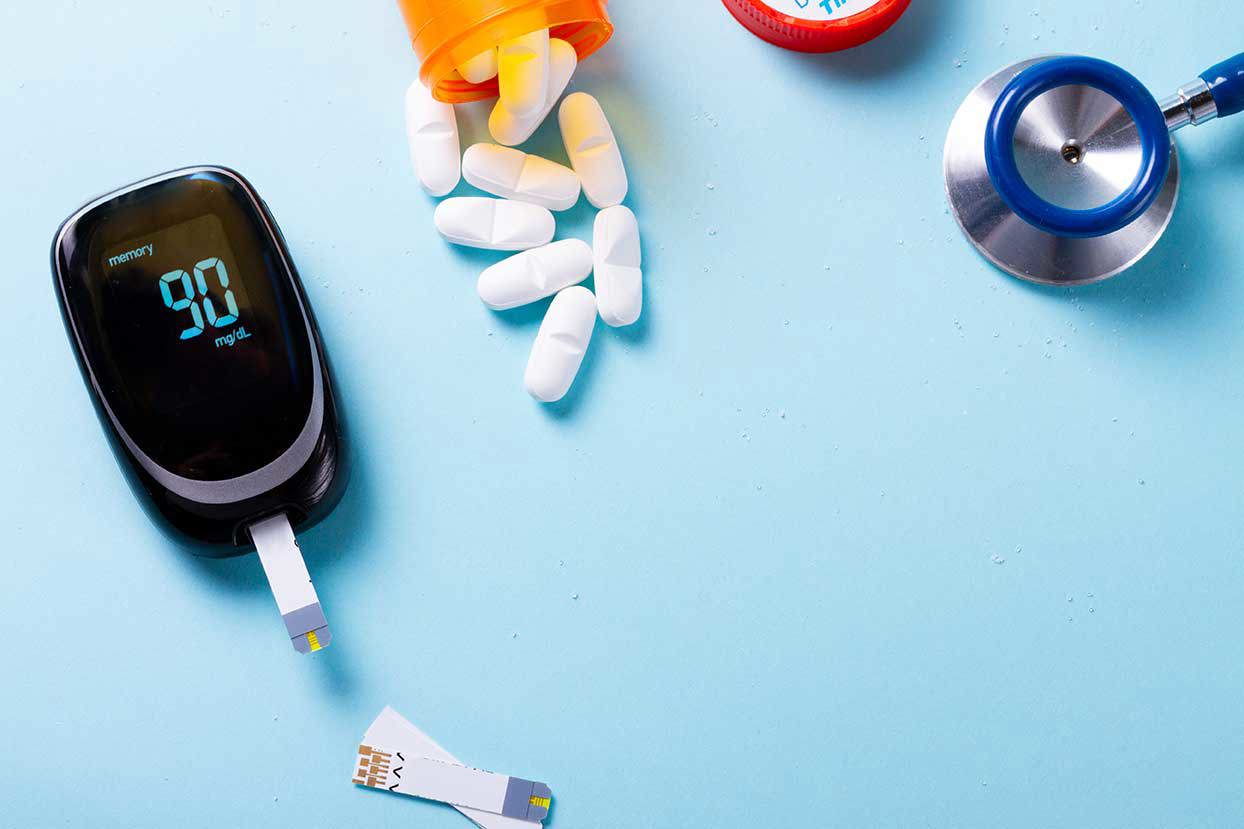
Antiepileptic drugs are the most important foundation of treatment. Modern therapies enable many affected people to lead a stable life. According to neurological professional societies, about 70–80% of people with epilepsy can become seizure-free long-term with the right drug therapy. That is why careful medication management is a central part of epilepsy care.
What you should pay attention to when taking medication
For relatives or caregivers, this means:
- ensure medication is taken consistently according to the doctor's plan
- do not change the dosage independently, not even after a long period without seizures
- monitor side effects, e.g. tiredness, dizziness, concentration problems, or mood swings
- pay attention to possible interactions with other medications, especially in older people with multiple therapies
- attend regular neurological follow-up appointments
- carry out blood level checks, if they are recommended by the doctor
Many antiepileptic drugs only work reliably if they are taken regularly and at the same time each day.
Practical aids in everyday life
These aids can make taking medication easier:
- weekly pill organizers
- digital medication apps with reminder functions
- smartphone alarms or calendar reminders
- electronic medication dispensers
Such systems are especially helpful for older people or individuals who need to take several medications.
Creating a safe living environment
A safe home can significantly reduce the risk of injuries during epileptic seizures. Especially in cases of unexpected or frequent seizures small adjustments in the home are very effective.
Important safety measures in the home
Typical adjustments include:
- non-slip rugs or clear walkways to prevent falls
- padding on sharp furniture edges
- non-slip bath mats and shower stools in the bathroom
- stove shutoff or stove safety device in the kitchen
- low bed height or a padded bed environment
- place emergency numbers clearly visible around the home
- good lighting in hallways and bathrooms
For people with frequent seizures, older individuals, or those living alone, a professional home safety check can also be useful. Care counseling centers or social services often offer this kind of advice.
Nora’s everyday tip: An epilepsy emergency plan at home

A simple emergency plan can avoid a lot of stress in an emergency and ensures that everyone involved knows what to do.
The plan should include the following information:
- important emergency numbers (112 in Germany and across the EU, 144 in Austria)
- the affected person’s medication plan
- name and contact details of the treating doctors
- information about emergency medication
- the affected person’s typical seizure duration
- important pre-existing conditions or allergies
Ideally, this plan should be kept clearly visible in the home, for example on the refrigerator or near the telephone.
Not every life situation with epilepsy looks the same. Children, older people, those living alone, or families with high care needs often need different solutions. That is exactly why it is worth taking a closer look at special everyday situations.
Caring for children with epilepsy
Children with epilepsy need not only medical care, but also an everyday life that remains as normal as possible. School, sports, leisure activities, and friendships should not be permanently shaped by fear or restrictions.

Important aspects in everyday life with children
Especially important for families and caregivers are:
- Emergency plan for school, kindergarten, or after-school care
- Keep medication and emergency medication plan readily accessible
- clear arrangements with teachers and care staff
- sufficient sleep and a structured daily routine
- monitor fever or infections early
- age-appropriate education about the condition
Children should, as far as possible, learn to understand their condition themselves and cope with it without feeling stigmatized.
Support options in Austria
In Austria, under certain conditions families can apply for care allowance for children with epilepsy. In addition, a so-called hardship supplement may be taken into account if there is a particularly high need for care. Increased family allowance may also be possible. The assessment is generally carried out through the Sozialministeriumservice. You can find official information at Österreich.gv.at and at the Sozialministeriumservice.
Epilepsy in old age
At an older age, epilepsy often occurs in connection with other illnesses, for example:
- strokes
- brain injuries
- neurodegenerative diseases
- vascular diseases of the brain
Care can therefore become more complex because several factors often come together, such as risk of falls, confusion, or polypharmacy.
Important points in caring for older people
Particularly important are:
- good lighting and safe pathways in the home
- observation after seizures, as confusion may last longer
- an up-to-date medication plan to avoid interactions
- adequate fluid intake and regular sleep
- enough recovery time after a seizure
Especially in old age, even small adjustments in everyday life can make a big difference to safety and quality of life.
People with epilepsy living alone
Many people with epilepsy live independently. With the right support and good safety structures, this is very possible in many cases.
Important safety measures for people living alone
- save emergency contacts in the smartphone
- wear a medical emergency bracelet
- document seizures
- regular updates to relatives or caregivers
- technical aids such as wearables or emergency call systems
Digital technologies can help, but they do not replace personal care or medical supervision.
Support for caregiving relatives
Caring for a person with epilepsy can be emotionally and organizationally demanding. That is why it is important that relatives also receive support.
In Austria, under certain conditions there is financial support for caregiving relatives through the Sozialministeriumservice . The amount depends, among other things, on the care level of the person receiving care.
24-hour care as support
If epileptic seizures occur frequently, constant supervision is necessary, or additional illnesses are present, 24-hour care can be a sensible relief. It is particularly worth considering when relatives are reaching their limits or when more safety is needed in everyday life.
In Austria, under certain conditions there are government subsidies for 24-hour care. Depending on the type of care arrangement, these can amount to up to €1,600 per month for employed caregivers and up to €800 per month for self-employed caregivers. The current requirements on oesterreich.gv.at are always decisive.
An epilepsy diagnosis affects not only health, but often also everyday life, independence, and a family's financial situation. Especially when seizures occur frequently or constant supervision is necessary, care services and social support can be an important relief.
In both Germany and Austria, support does not depend solely on the diagnosis of epilepsy, but on how much everyday life is restricted and how much help is regularly needed.
Germany: When epilepsy can lead to a care level
In Germany, the need for support is assessed through the care levels (1–5) of long-term care insurance. The decisive factor is how independently a person can still act in everyday life.
With epilepsy, the following factors, among others, may play a role:
- frequent or unpredictable seizures
- increased need for supervision in everyday life
- support with taking medication
- uncertainty when showering, cooking, or being alone
- night-time monitoring for seizures during sleep
- risk of falls or injury
- cognitive impairment or confusion after seizures
Depending on the care level, long-term care insurance can cover various benefits, for example:
- care allowance for relatives
- care services in kind through outpatient services
- relief amount for everyday support
- short-term care or respite care
- care aids
Typical examples of care levels for epilepsy
The classification is always individual, but the following examples show typical situations:
- Mild limitations Rare seizures, but uncertainty in everyday life or during certain activities → often Care Level 1
- Regular need for supervision Unpredictable seizures, help with medication and safety in everyday life → often Care Level 2 or 3
- High need for support Frequent seizures, falls, cognitive limitations, or intensive care → possible Care Level 3 to 5
Application, assessment, and appeal
Good preparation can be crucial so that the actual need for support is assessed correctly.
Helpful are:
- a seizure calendar or care diary
- medical findings and neurological reports
- concrete examples from everyday life
- documentation of supervision and assistance needs
If an application is rejected, you can file an appeal. Additional medical reports or more detailed documentation can help. Support is available, for example, from care support centers, social services, or epilepsy centers.
Austria: Care allowance for epilepsy

In Austria, support is provided through the care allowance system with seven care levels.
Care allowance can be applied for if:
- there is a permanent need for care of more than 65 hours per month
- this need lasts for at least six months
The assessment is carried out by physicians or qualified nursing staff. Depending on the care needs, there are care levels from 1 to 7, which provide for different monthly benefits.
Special regulations apply, for example, to:
- children with increased care needs
- people with severe neurological diseases
- complex care situations
In addition, depending on the situation, further support may be possible, such as:
- disability ID card
- increased family allowance
- subsidies for 24-hour care
Many people with epilepsy work normally in professional life. Nevertheless, the condition can affect certain activities or safety requirements.
Important factors are:
- Type and frequency of seizures
- Duration of seizure freedom
- Activities involving machines, risk of falling, or vehicles
- Shift work or sleep deprivation
- individual occupational safety measures
Whether an activity is possible is always assessed individually.
Fitness to drive with epilepsy
Fitness to drive is also assessed medically. Similar guidelines apply in many European countries:
- For driving licence Group 1 (car), seizure freedom of at least one year is often required
- In special medical situations, different time periods may apply
- Stricter rules apply to professional drivers
The exact assessment is always carried out by doctors or specialist bodies.

The treatment of epilepsy is based on several building blocks. The goal is to avoid seizures as much as possible while maintaining quality of life.
The most important treatment options include:
- Antiepileptic medications
- Epilepsy surgery for suitable structural causes
- Neurostimulation
- Rehabilitation and specialized epilepsy centers
- Trigger management and lifestyle adjustments
Many people become seizure-free long-term with medication in the long term. For others, a combination of different therapies may be necessary. Whether epilepsy is “curable” depends greatly on the cause of the condition.
The treatment of epilepsy continues to evolve. New therapies and technologies are intended above all to help:
- Control seizures better
- Reduce side effects
- Improve individualized treatment decisions
Epilepsy surgery
In some people, seizures always originate in the same area of the brain. If medications are not sufficiently effective, surgery at an epilepsy center may be a possible treatment option. Before surgery, extensive examinations are carried out, for example:
- Long-term EEG monitoring
- MRI diagnostics
- neuropsychological tests
In selected cases, patients can then become permanently seizure-free.
Neurostimulation
Another modern treatment method is neurostimulation. Electrical impulses influence specific neural networks in the brain.
Important procedures are:
- Vagus nerve stimulation (VNS): A small device under the skin sends electrical signals via the vagus nerve.
- Deep brain stimulation (DBS): Electrodes in the brain influence specific neural networks.
- Responsive neurostimulation (RNS): A system detects unusual brain activity and automatically responds with electrical impulses.
These therapies are usually used when medication alone is not sufficiently effective.
New developments in 2026: technology and digital support
Digital technologies are playing an increasingly important role in epilepsy treatment. These include wearables for seizure detection, sensors for nighttime monitoring, apps for seizure documentation, telemedical care, and AI-supported analyses of health data.
These developments can help make everyday life safer, recognize patterns earlier, and better prepare medical decisions. Nevertheless, the following still applies: technology can support, but it does not replace nursing support, medical assessment, or human attention.
This article is based on current information from official health portals and specialist epilepsy sources from Germany and Austria. These include gesundheits.gv.at, oesterreich.gv.at, the Social Ministry Service, the German Epilepsy Association, and the German Society for Epileptology. Status of medical information: March 2026.

Epilepsy is frightening when it suddenly enters everyday life without warning. But it does not have to define everything. Good care in epilepsy does not mean controlling every moment. It means being prepared. Staying calm. Creating safety. And giving a person the feeling: You are not alone.
Maybe you cannot prevent a seizure. But you can make the difference between chaos and clarity, between fear and support. With an emergency plan, a safe home, good documentation, and reliable support, uncertainty gradually turns into safety.
If you are looking for support for yourself or your family, you will find suitable caregivers and support on noracares.at that match your situation both personally and professionally.

1. How do I get a care grade or care allowance for epilepsy?
In Germany (care grade) and Austria (care level), classification does not depend on the diagnosis “epilepsy,” but on the actual need for assistance and supervision. What matters is how often seizures occur, how long the recovery phases last, and whether constant monitoring is necessary to prevent falls. Document every seizure meticulously in a seizure diary, as this is the most important evidence during assessment by the Medical Service (MD) or the Pension Insurance Institution (PVA).
2. What is the difference between a “normal” seizure and an emergency? An epileptic seizure usually ends on its own after 1 to 3 minutes. It becomes a medical emergency (status epilepticus) when:
- a seizure lasts longer than 5 minutes,
- several seizures occur in quick succession without the person regaining consciousness in between,
- it is the very first seizure in the person's life or there are serious injuries. In these cases, you must call emergency services immediately (112 in DE/EU, 144 in AT).
3. Which aids are covered by health insurance for epilepsy? In 2026, there is a wide range of recognized aids. These include:
- Sensor mats for the bed (report nighttime convulsive seizures),
- Special protective helmets if there is a high risk of falls,
- Digital wearables (smartwatches with seizure detection), provided they have an aid number or are medically justified as necessary. Ask your health insurance provider specifically about coverage for “technical sensors for seizure detection.”
4. Am I allowed to work in care or drive a car if I have epilepsy?
- Work: In principle, yes. There is no general occupational ban. Restrictions only exist in cases of danger to oneself or others (e.g. working on scaffolding or passenger transport).
- Driving a car: In the EU, the usual rule is: after one year without seizures, driving a car (Group 1) is often possible again. However, this must be confirmed by a specialist physician (neurology).
5. What are the most common “triggers” for a seizure? Although seizures often occur spontaneously, certain factors can lower the seizure threshold. The most common triggers are lack of sleep, extreme stress, forgetting medication, high fever, or in some forms, flickering light (photosensitivity). A structured daily routine is therefore the best basic care.
.

- Antiepileptic drugs: Medications to control seizures
- Aura: Early warning signs before a seizure
- Benzodiazepines: A group of active substances (e.g. diazepam or midazolam) that are often used as emergency medication to actively stop a seizure.
- Closed-loop systems: Modern implanted stimulation devices that measure brain activity and automatically deliver electrical impulses when needed to suppress seizures.
- EEG (electroencephalography): A procedure for measuring the brain's electrical activity. It is the most important tool for diagnosing epilepsy.
- Epilepsy: Chronic neurological condition with recurring seizures
- Epilepsy app: Digital application for documenting seizures, medication intake, and symptoms
- Photosensitivity: An increased sensitivity to flickering light or patterns that can trigger seizures in certain forms of epilepsy.
- Convulsive seizure: Medical term for uncontrolled muscle twitching due to neurological stimuli, often in the context of epilepsy
- Nostrification: The formal process of recognizing foreign nursing qualifications in Austria – essential for international caregivers at noracares.
- Need for care: The degree of support a person needs in everyday life – for example with personal hygiene, mobility, or taking medication
- Care grade: Classification of care dependency for support through care allowance
- Recovery position: Positioning to secure breathing after a seizure
- Status epilepticus: Seizure lasting longer than 5 minutes – medical emergency
- SUDEP: Technical term for sudden unexpected death in epilepsy (Sudden Unexpected Death in Epilepsy). A rare risk that is minimized through consistent therapy.
- Vagus nerve stimulation (VNS): A form of therapy in which a small pacemaker in the chest area electrically stimulates the vagus nerve to reduce seizure frequency.

