Care ABC - F for Obesity
Obesity in care is far more than a question of weight. It affects mobility, breathing, skin health, self-esteem, caregiving effort, and often family life as well. According to the WHO, obesity is considered a chronic disease, and the number of affected people in Europe has been rising for years. According to the RKI, well over one fifth of adults in Germany are affected by obesity. In Austria too, official data from Statistics Austria show that obesity among adults is a relevant health issue.
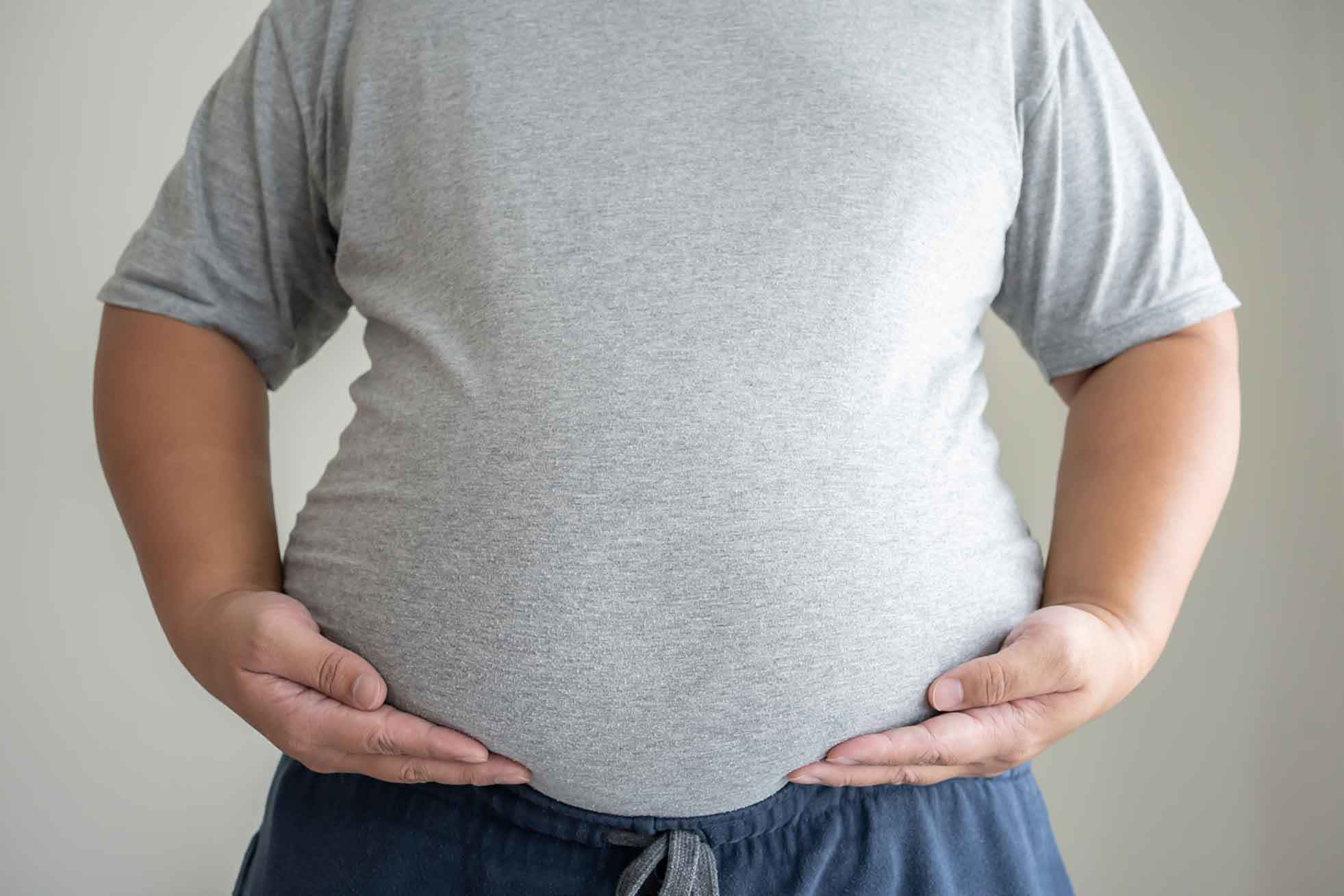
For care, this means: more time, more planning, more physical safety, but also more sensitivity. Because obesity in care never affects only the body. Shame, withdrawal, pain, depression, sleep problems, or long medical histories often play a role as well. Good care for obesity therefore always looks at the whole person.
In this article, you will learn how to support people with obesity safely, empathetically, and in a structured way in everyday life. We look at causes, typical care problems, specific care measures, preventive measures, care planning, care level and care allowance in Germany and Austria, as well as the question of when care at home is enough and when inpatient support becomes advisable.
Harald is 76 and used to go out every morning. Dog park, fresh air, a quick coffee at his favorite café, a fixed routine. After a serious traffic accident, his life changed abruptly. The paraplegia took away not only movement, but also daily life, independence, and part of his identity.
Over time, loneliness, frustration, and shame were added. Food became comfort. Movement was hardly possible anymore. His clothes became tight, transfers became more difficult, and shortness of breath increased. At some point, no one talked only about Harald's accident anymore, but about his weight. And that hurt him even more.
His sister Martha later describes it like this: “The hardest part was not the lifting or organizing. "The hardest part was that Harald felt he was only seen as a problem.”
This is exactly where good care begins. Not with reproaches. Not with pressure. But with the question: What has changed, what hurts, what is missing, and what would help you regain a small piece of everyday life?

Obesity, often colloquially called corpulence, is a chronic disease involving excessive fat accumulation that can impair health. The WHO defines obesity in adults as a body mass index of 30 or higher. Statistics Austria uses the same BMI thresholds in health reporting.
BMI classification at a glance
The classification is helpful, but it is not everything. For care, it is equally important how mobile someone is, how severe accompanying illnesses are, where fatty tissue is distributed, and how much support is really needed in everyday life. Because two people with the same BMI can have completely different care needs.
Why belly fat is especially critical
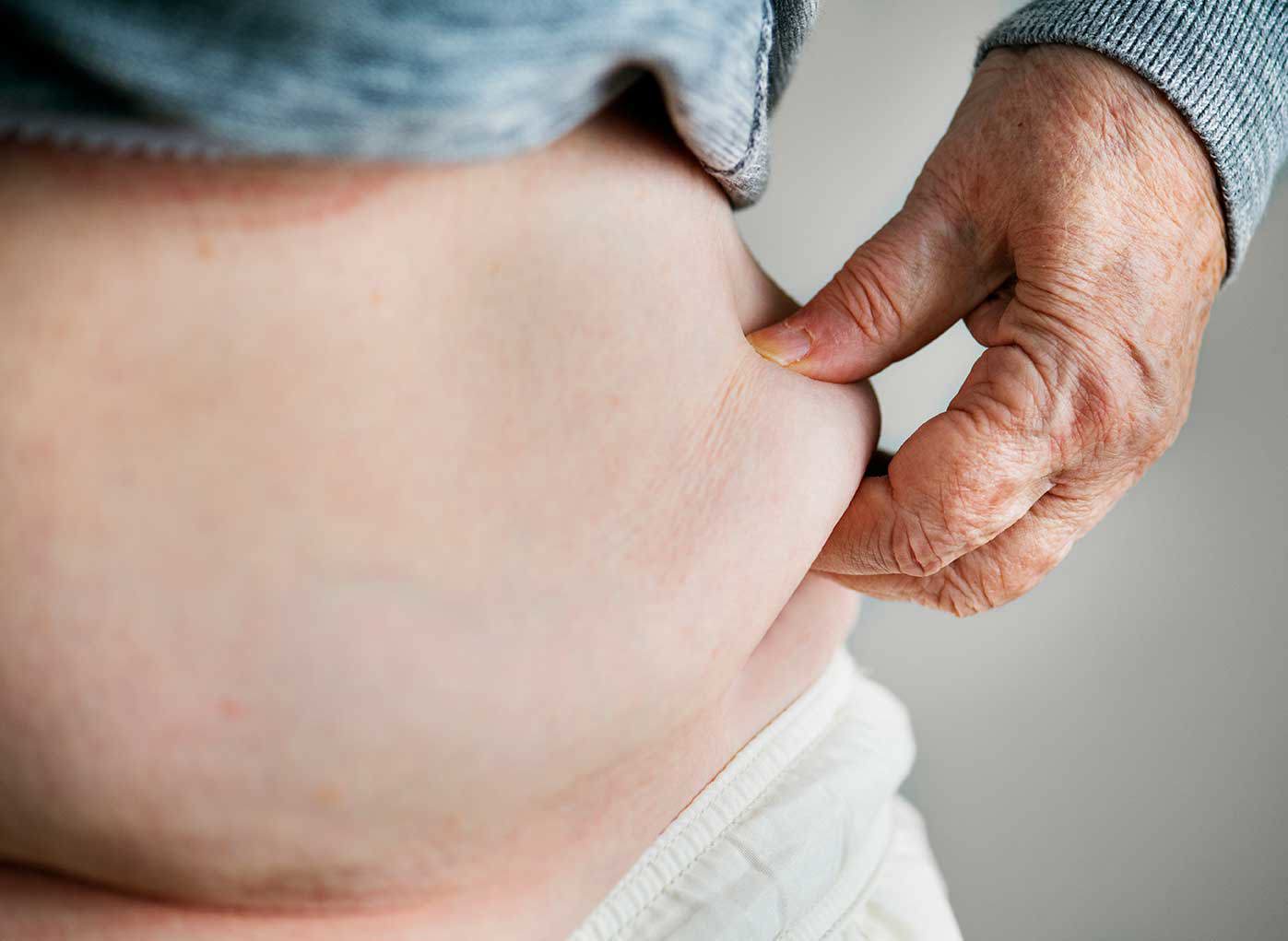
Above all, visceral fat, meaning fat in the abdominal cavity around the organs, is considered particularly risky. It is associated with an increased risk of cardiovascular diseases, type 2 diabetes, and other metabolic problems. An increased waist circumference is therefore an important warning sign, even if BMI alone does not explain the whole situation.
Who is particularly at risk?
Obesity rarely develops because of a single factor. Usually, several things interact: nutrition, lack of exercise, psychological stress, sleep, medication, social situation, and genetic predisposition. The WHO emphasizes that obesity is a complex disease and must not be reduced to “too little discipline.”
Common risk factors
- high-calorie, heavily processed diet
- lack of exercise and prolonged sitting
- chronic stress
- sleep deprivation
- certain medications
- psychological stress
- social disadvantage
- genetic predisposition
Especially in care, it is important to understand: obesity is often the result of a long story, not a single decision.
Care for obesity is often complex because several levels are affected at the same time: body, psyche, everyday life, environment, and the care system itself.
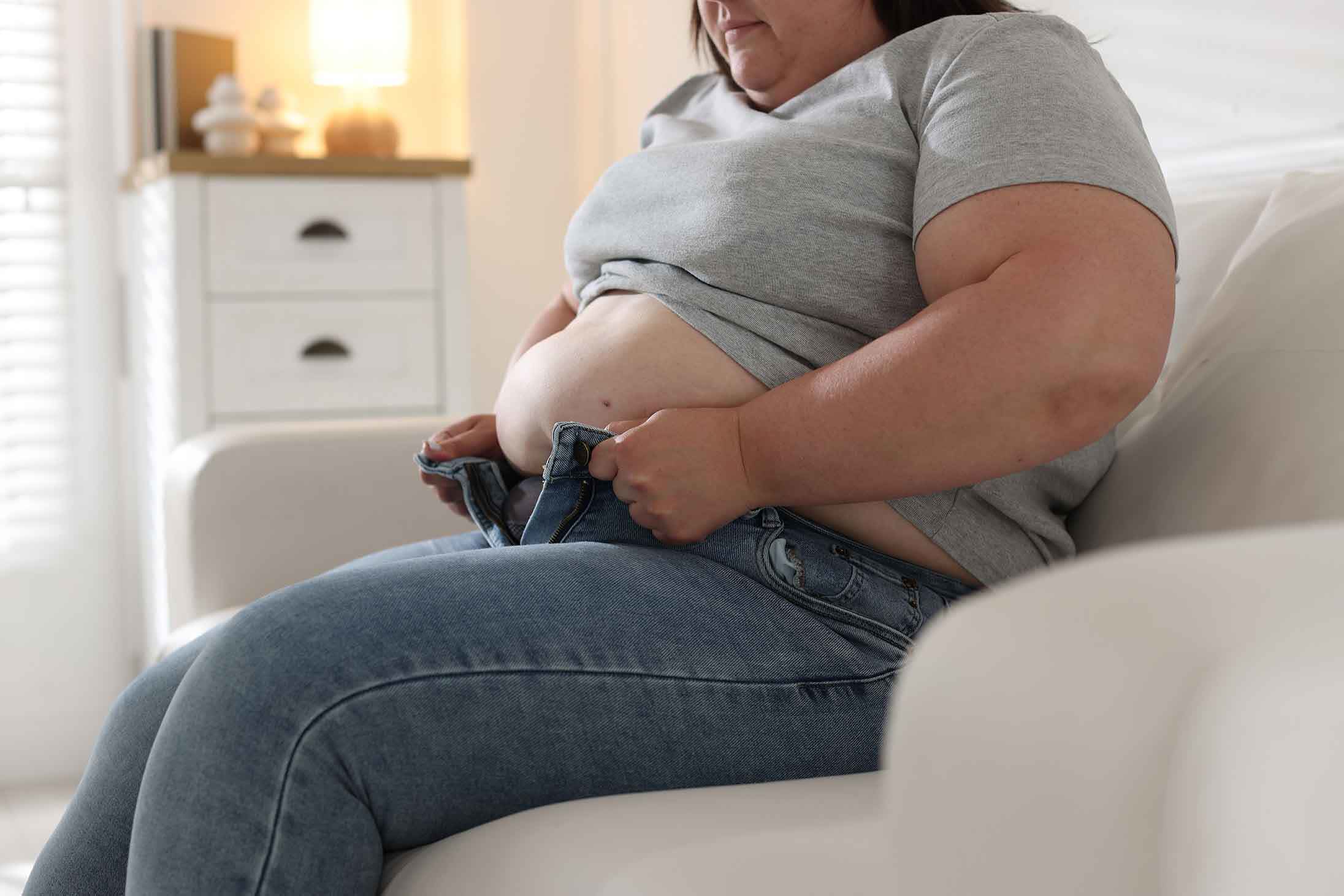
Physical challenges
As body weight increases, many care activities become more physically demanding:
- Transfers from the bed to the wheelchair
- Repositioning
- Intimate care
- Skin care in skin folds
- Mobilization
- Positioning
- Breathing support
- Pressure ulcer prevention
Without suitable aids, the risk of back strain for care staff and injury for the person in need of care increases. That is why bariatric care often requires special equipment such as heavy-duty beds, lifts, or wider wheelchairs.
Psychological burdens
Many affected people experience stigmatization, shame, and withdrawal. Some avoid care procedures because they feel uncomfortable. Others react irritably or resign themselves. This is not “difficult,” but often an expression of vulnerability.
Common accompanying illnesses
Obesity often occurs together with other chronic illnesses, for example:
- Type 2 diabetes
- High blood pressure
- Heart failure
- Sleep apnea
- Arthrosis
- chronic pain
- Depression
This increases the need for support in everyday life and makes well-coordinated care especially important
In everyday life, it becomes especially clear how important structured and safe care is for obesity. What matters are specific measures that support mobility, skin protection, breathing, and independence as effectively as possible.

Designing mobilization and transfers safely
People with obesity often need more support in everyday life with position changes, getting up, repositioning, transferring, or short walking distances. The goal is not simply “more movement,” but mobilization that is realistic, safe, and manageable for the person concerned.
Important: mobilization does not begin only with walking. Even turning safely in bed, sitting up at the edge of the bed, or transferring to a chair are important steps to maintain independence, prevent pressure sores, and stabilize circulation.
Especially when mobility is severely limited, this requires patience, good preparation, and often technical aids. Care should never catch someone off guard or overwhelm them. Anyone who feels insecure, ashamed, or physically overstrained often withdraws even further. This makes it all the more important to understand every movement as a joint process and not as an “obligatory exercise.”
What you should pay attention to
- Never work with pure muscle power when aids are needed: Safe care protects not only the person in need of care, but also you. If transfers are only possible with physical exertion, the risk of back injuries, improper strain, and falls increases significantly. Sliding mats, transfer boards, lifts, or standing aids are not “extras,” but often a necessary foundation for safe care.
- Announce transfers in advance and plan them together: It is especially important that the person concerned knows what will happen next. A clearly announced sequence creates safety and reduces fear or resistance. Short sentences such as “We are now sitting down together at the edge of the bed” or “On the next exhale, we will straighten up together” often help more than rushed action.
- Use non-slip pads, sliding mats, or lifts purposefully: Depending on mobility and body weight, different solutions are needed. Non-slip pads can provide stability, sliding mats can make repositioning easier, and electric lifts can make transfers much safer. What matters is that aids are not only available, but also used correctly.
- Set small movement goals: Not every person has to walk several steps right away for mobilization to be successful. Sometimes it is already important progress to sit at the edge of the bed, take a seat in a chair, or stand by the window once. Small, achievable goals create motivation and prevent frustration.
- Plan breathing breaks: Many people with obesity become short of breath more quickly during movement, especially if cardiovascular problems, sleep apnea, or low resilience are also present. Therefore, consciously plan short breaks. Not every interruption is a setback, but often an important prerequisite for mobilization to succeed at all.
- Take pain and exhaustion seriously: If mobilization is associated with pain, dizziness, or severe overload, this should not be ignored. Pain inhibits movement, promotes withdrawal, and can indicate improper strain or accompanying illnesses. Good care here also means respecting limits and looking together for workable solutions.
What can additionally support mobilization
In addition to the actual transfer, small preparatory measures often help as well:
- comfortable clothing that does not constrict
- sturdy footwear or non-slip socks
- a tidy, well-lit path
- enough time without haste
- fixed routines, for example always in the morning after personal hygiene or in the afternoon before coffee
- motivating goals, such as a short walk to the favorite armchair or to the open window
Why this area is so important
Safe mobilization affects many areas at the same time. It can help to
- prevent pressure sores
- stabilize circulation
- reduce pain caused by rigid positioning
- reduce constipation and thrombosis risks
- improve respiratory function and well-being
- maintain independence for as long as possible
In addition to physical relief, safe mobilization can also help maintain self-confidence and everyday skills.
Skin care and hygiene in obesity
Skin care plays a particularly important role in care for obesity. Due to skin folds, increased moisture, and limited mobility, skin irritation, fungal infections, or inflammation can develop more quickly. Especially where skin lies against skin, a warm and moist microclimate develops – an ideal breeding ground for bacteria and fungi.
That is why skin care is one of the most important daily care routines.
Typical problem areas
The following areas especially need special attention:
- Skin folds under the breast
- Abdominal folds
- Groin area
- Gluteal folds
- Armpits
- Skin areas between the thighs
- Skin under abdominal aprons
In these areas, intertrigo can occur. This is an inflammatory skin reaction caused by moisture, friction, and lack of ventilation.
Important care routines
The following measures help prevent skin problems from developing in the first place:
- Carefully clean skin folds daily
- Then dry the skin thoroughly, especially in folds
- Use gentle, pH-neutral cleansing products
- No aggressive friction or vigorous rubbing
- Prefer breathable clothing
- Regularly check the skin for redness or pressure points
- Respond early if the skin becomes sore or sensitive
Special skin protection creams or barrier protection products can also be useful, especially for sensitive or heavily stressed skin.
Discreet and respectful care
A respectful approach is especially crucial in intimate care or care of skin folds. Many people with obesity feel vulnerable or ashamed in such situations. Care should therefore be provided calmly, with explanations, and respectfully.
Helpful measures include:
- Explain beforehand what will be done
- Use privacy screens
- Allow as much independence as possible
- Allow enough time
Positioning and pressure relief
People with obesity have an increased risk of pressure sores and pressure ulcers. At the same time, repositioning can be more physically demanding because body weight, mobility, and breathing position must be taken into account.
Well-planned positioning helps distribute pressure, support breathing, and reduce discomfort while lying down.
Goals of positioning
In care for obesity, positioning pursues several goals at the same time:
- Avoid pressure sores
- Promote circulation
- Support respiratory function
- Reduce pain
- Create a comfortable lying position
Positioning that is adapted to body shape and pressure load is especially important.
Proven positioning measures
In practice, the following measures have proven effective:
- regular position changes
- pressure-relieving mattresses or alternating pressure systems
- Positioning with pillows or positioning rolls
- Elevation of the upper body in case of breathing problems
- Heel suspension for pressure relief
Especially in cases of severely limited mobility, position changes should be planned individually. Rigid time intervals are less useful than adapting to skin condition, pain perception, and resilience.
Aids for positioning
Aids can make care much easier and at the same time increase safety.
Examples:
In addition to care support, it is also important for many families to know which official institutions can help with treatment, counseling, and coverage of costs. In Austria, Germany, and at the EU level, there are different points of contact for this.
Austria: Treatment and support for obesity
In Austria, obesity treatment is organized through the public healthcare system and social insurance.
Federal Ministry of Social Affairs, Health, Care and Consumer Protection (BMSGPK)
The Ministry of Health develops national strategies for the prevention and treatment of overweight. This includes, for example, the National Action Plan for Nutrition (NAP.e), which supports programs promoting healthy nutrition and exercise in schools, workplaces, and communities.
Austrian Health Insurance Fund (ÖGK)
The Austrian Health Insurance Fund is responsible for many medical services related to obesity. These include diagnostics, nutritional counseling, structured therapy programs, and medical treatments. Under certain conditions, it also reviews coverage of costs for bariatric surgery.
One example is the multidisciplinary program “Living Lighter,” which combines nutrition, exercise, and psychological support.
Obesity centers and bariatric surgery
If conservative therapies are not sufficient, surgery (for example gastric bypass or sleeve gastrectomy) may be a treatment option. This usually involves a referral by the family doctor or a specialist to a certified obesity center.
Coverage of costs is then reviewed by the Austrian Health Insurance Fund.
Rehabilitation and return to work
If obesity impairs the ability to work, medical rehabilitation may be useful. In Austria, the Austrian Pension Insurance Institution (PVA) is often responsible for this.
Rehabilitation programs often combine:
- medical care
- nutritional counseling
- exercise therapy
- psychological support
Germany: Structured treatment programs and health insurance benefits
In Germany, obesity is increasingly being treated as a chronic disease. As a result, new structured programs are being developed for diagnosis, therapy, and long-term care.
Federal Ministry of Health (BMG)
The Federal Ministry of Health sets the legal framework for prevention and treatment. An important component is the IN FORM initiative, a national program to promote healthy nutrition and exercise.
Federal Joint Committee (G-BA)
The Federal Joint Committee decides which medical services can be covered by statutory health insurance funds, for example certain therapies, surgeries, or structured treatment programs.
Disease management program (DMP) obesity
Since 2024, a disease management program (DMP) for obesity has been gradually introduced in Germany. This program is aimed at people with chronic illness and offers structured long-term care.
It determines which medical services can be covered by statutory health insurance funds, for example certain therapies, surgeries, or structured treatment programs. Registration usually takes place through the health insurance fund together with the family doctor.
Medical Service (MD)
If coverage of costs for surgery, aids, or special therapies is requested, the Medical Service of Health Insurance (MD) reviews the medical necessity.
Digital therapies and prescription apps
Since 2025, digital health applications (DiGA) have been used more extensively in Germany. These are medical apps that can be prescribed by doctors.
For obesity, for example, programs are used that support:
- dietary changes
- building up physical activity
- behavior change
- weight management
After a doctor's prescription, the health insurance fund covers the costs. You can find an overview in the official DiGA directory of the Federal Institute for Drugs and Medical Devices.
European Union: Regulation of medicines and nutrition
The European Union does not organize direct medical treatment, but it does set important frameworks for healthcare and prevention.
European Medicines Agency (EMA)
The European Medicines Agency (EMA) decides on the approval of medicines within the EU. This also includes modern medicines for the treatment of obesity.
New active ingredients must undergo extensive studies on safety and effectiveness before they can be approved across Europe.
European Food Safety Authority (EFSA)
The EFSA provides the scientific basis for nutrition recommendations and food labeling. This also includes guidelines on health claims on foods.
This information helps consumers make healthier decisions.
European Commission – DG SANTE
The European Commission's Directorate-General for Health coordinates programs for the prevention of chronic diseases, including obesity.
Best practices are exchanged between EU countries and new health projects are supported.
Overview: Where You Can Find Support
Nora’s tip:
When medical support is being requested, good documentation is very helpful. Medical reports should not only describe the weight, but also document accompanying conditions such as diabetes, high blood pressure, breathing problems, or limited mobility. This increases the chances that therapies, aids, or rehabilitation measures will be approved.
And remember: care for obesity is always teamwork. If you are looking for support in everyday life, you can find caregivers on noracares.at who have experience with different care situations and can support you individually.
Nutrition plays an important role in obesity, but care should never become a moral judgment about eating habits. Many people with obesity have already experienced numerous diets, often associated with frustration or feelings of guilt.
That is why it is important to support nutrition in a supportive rather than controlling way.
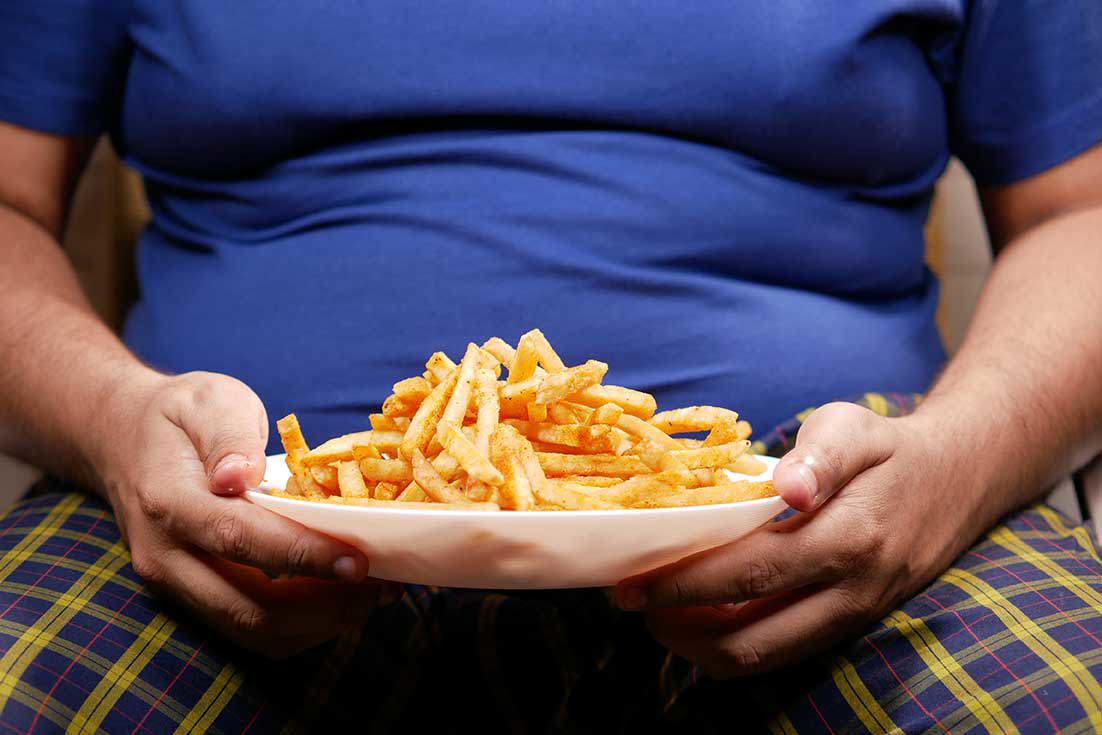
Realistic goals instead of strict diets
Care should not aim to reduce weight quickly. Long-term improvements in everyday life are much more important.
Examples of meaningful goals:
- regular meals instead of uncontrolled eating
- balanced foods
- adequate fluids
- small portions spread throughout the day
- mindful eating without time pressure
Even small changes can have major long-term effects.
Support from professionals
Especially in complex health situations, professional nutritional counseling or dietetics can be an important source of support. People with obesity often have several health factors to consider at the same time – for example diabetes, cardiovascular diseases, medication, or limited mobility. That is why it makes sense not to change nutrition alone, but to plan it together with qualified professionals.
Nutrition professionals can help develop individual solutions that fit the everyday life of the affected person. This is not about strict diet plans, but about long-term changes that are realistically achievable and improve quality of life.
What professionals can specifically help with
Qualified nutritional counseling can, for example, help with:
- adapting nutrition to existing illnesses
- planning balanced meals in everyday care
- preventing malnutrition despite weight problems
- taking medication and metabolic diseases into account
- support with emotional eating or eating habits
- developing realistic nutritional routines for everyday life
Especially in care, the focus is not on rapid weight loss, but on stable health, manageable routines, and greater well-being in everyday life.
Important professional bodies and information sources
For medically sound nutrition recommendations, official professional bodies and professional associations can provide valuable guidance.
- The European Food Safety Authority (EFSA) provides scientific foundations on nutrition and health risks: Nutrition | EFSA
- In Austria, dietitians work as specialized healthcare professions in the medical field. They provide support in nutritional medical counseling, therapy, and prevention: https://diaetologie.at/
- You can also find official information about the profession and the tasks of dietitians on the Austrian health portal.
- In Germany, the German Nutrition Society (DGE) offers scientifically sound recommendations on healthy nutrition and the prevention of obesity.
These professional bodies provide evidence-based information and can support affected individuals as well as family members and caregivers in shaping nutrition in everyday life in a meaningful and healthy way.
Nutrition as part of quality of life
In care for obesity, nutrition should always also be seen as part of quality of life. Eating does not only mean nutrient intake, but also enjoyment, culture, and social connection. That is why it is important to look together for solutions that promote health while also preserving the joy of eating.
Small steps in everyday life
Small, everyday changes can make it easier to get started, for example regular offers of drinks, more predictable mealtimes, or small movement impulses around meals. It is important that the steps fit the life situation of the affected person and are not experienced as control.
In professional care planning not only the diagnosis is considered, but above all the specific support needs in everyday life. In people with obesity, several care problems often arise at the same time and are interconnected.
These challenges show which areas in everyday care should be observed particularly carefully.

Typical care problems in obesity
In care for obesity, several of these challenges often occur at the same time:
- limited mobility
- increased risk of pressure ulcers
- skin problems in skin folds
- breathing problems or reduced resilience
- pain due to joint strain
- risk of falls
- limited self-care
- psychosocial burdens such as shame or withdrawal
- comorbidities such as diabetes or high blood pressure
These factors must be considered together in care planning.
Example of structured care planning
A structured care plan is then developed on the basis of these care problems.
Interdisciplinary collaboration
Care for obesity works best when several disciplines work together. These include, for example:
- general practitioners
- dietitians or nutrition counselors
- physiotherapists
- psychologists
- nursing professionals
Together, they can better coordinate the medical, physical, and psychosocial aspects of care. Especially in complex situations, this collaboration helps make care both medically meaningful and practical for everyday life.
Documentation in everyday care
Careful documentation helps to identify changes early and adjust care in a targeted way.
Important observations include, for example:
- Mobility and transfer ability
- Skin condition and pressure sores
- Breathing situation
- Pain or resilience
- Eating and drinking behavior
- psychosocial changes
This information also helps with care level assessments or applications for aids, as it makes the actual support needs visible.
Nora’s tip:
Care planning is not a rigid document, but evolves along with the everyday life of the person affected. Especially in the case of obesity, it is worth checking regularly which measures really help and where adjustments make sense.
If you are looking for support in everyday life or would like to find a caregiver with experience in complex care situations, you can compare suitable caregivers on noracares.at and contact them directly.
Especially for people with obesity and limited mobility, everyday life can quickly lose its structure. When movement becomes more difficult or social contacts decrease, many affected individuals increasingly withdraw. A clear daily structure can have a stabilizing effect here and help restore orientation and motivation.
This is not about planning the day rigidly, but about creating small, reliable routines. Fixed wake-up times, regular meals, or short activity phases can help give the day a rhythm again. Even small activities – such as a short time by the window, a coffee together, or a light exercise session – can provide new impulses.
It is equally important to reconnect with earlier interests. Memories of former hobbies, favorite places, or rituals can awaken motivation and strengthen the feeling of still being part of one’s own life. Social contacts play a major role here: conversations, visits, or shared activities not only promote well-being, but can also increase the willingness to move and care for oneself.

With obesity, several risks should be considered from the very beginning. Good prevention helps avoid complications early and make everyday care safer.
A central topic is pressure ulcer prevention. Due to increased pressure on the skin and tissue, pressure sores can develop more quickly when mobility is limited. Regular skin checks, suitable mattresses, and individually adapted positioning measures help protect the skin. Mobilization within the person’s possibilities also contributes significantly to reducing pressure strain.
Equally important is pneumonia prevention. People with limited mobility or breathing problems have an increased risk of lung infections. An upright upper-body position, breathing exercises, sufficient fluid intake, and regular movement can help support lung function.
In addition, thrombosis prevention should also be taken into account. Lack of movement can impair circulation and increase the risk of blood clots. Even small movement exercises, regular position changes, or short mobilization phases can have a preventive effect here.
Another important topic is fall prevention. Especially with limited mobility or breathing problems, the risk of falls increases. A safe environment – with sufficient space, good lighting, and a non-slip floor – can make a big difference here.
Skin folds should also be considered preventively, as moisture and friction there can quickly lead to inflammation or infections.
Based on the observed care problems, a structured care plan is created. The goal is to reduce risks, promote independence, and make everyday life as safe as possible. This involves regularly reviewing which measures really help in everyday life and where adjustments are necessary. Especially in the case of obesity, support needs can gradually change.
Care assessment: Understanding the situation
The first step is a comprehensive assessment of the current situation. This examines which areas of everyday life are particularly affected. Important aspects include, for example, mobility, breathing situation, skin condition, pain, or possible fall risks. Nutrition, elimination, psychological stress, and the living situation also play an important role.
This assessment helps identify where support is most urgently needed and which resources are still available.
Setting care goals
Based on this assessment, realistic goals are defined together. These may include, for example:
- safe transfers in everyday life
- maintaining skin health
- improvement of the breathing situation
- more independence in daily activities
- a more stable daily structure
It is important that these goals are individually adapted and realistically achievable for the person concerned.
Planning measures
Concrete measures are then defined. These include, for example, organizing suitable aids, regular mobilization, structured meal and drinking times, or targeted skin checks. Medical and therapeutic appointments are also included in the care plan.
Documentation and regular adjustment
Regular documentation allows changes in health status to be recognized early. Observations regarding mobility, skin condition, pain, or resilience provide important indications as to whether measures need to be adjusted. Care planning is therefore not a static document, but develops continuously with the everyday life of the person affected.

Many families sooner or later face the question of whether care at home is still manageable or whether inpatient care would make more sense.
Home care can work well if transfers can be carried out safely with suitable aids, the living space can be adapted, and there is enough support from relatives or professional caregivers. For many people, the familiar environment is an important stabilizing factor.
In some situations, however, inpatient care can become advisable. This applies, for example, if mobilization at home is no longer safely possible, if severe accompanying illnesses occur, or if relatives are under heavy physical or emotional strain. Specialized bariatric equipment is also often more readily available in care facilities.

A diagnosis of obesity affects not only health, but often also everyday life, independence, and a family’s financial situation. Especially when mobility is limited, accompanying illnesses increase, or permanent support is needed in everyday life, care services and social support can provide important relief.
Germany: Care level for obesity
In Germany, the need for care is not determined solely on the basis of a diagnosis, but on the basis of the actual support needed in everyday life. What matters is how severely independence and mobility are limited.
In the case of obesity, for example, it may be relevant whether support is needed with personal hygiene, mobility, transfers, taking medication or because of breathing and fall risks.
For an assessment, it can be helpful to document everyday care well. A care diary, medical reports, and notes on pain, skin problems, or breathing difficulties help make the actual support needs visible.
Austria: care allowance for obesity
In Austria, support is based on the actual care needs. Care allowance can be granted if there is a regular need for care of more than 65 hours per month and this is expected to last longer than six months.
Classification is based on an assessment that examines how much support is needed in everyday life. Mobility, personal hygiene, positioning, or supervision all play a role here.
Since 2026, the Austrian care allowance system has included seven levels, which are based on the extent of assistance required.
Care in cases of obesity can place a heavy physical, organizational, and emotional burden on relatives. That is why it is important that relatives do not try to manage everything alone.
One of the most important rules is: recognize overload early and accept help. This can mean organizing aids in good time, using professional advice, or involving caregivers in everyday life.
Even short breaks are important. Those who are permanently overloaded can neither help themselves nor the person in need of care in the long term. Seeking support is therefore not a sign of weakness, but an important step toward making care sustainable in the long run.
People with obesity often experience stigmatization or thoughtless comments about their weight in everyday life. That is why respectful communication plays a particularly important role in care.
Care should always take place on equal footing. This means involving affected individuals in decisions, taking their experiences seriously, and appreciating progress – even if it seems small.
Instead of pressure or reproaches, an open, respectful attitude helps. A question such as “What would make everyday life a little easier for you right now?” often opens up more than any well-intentioned lecture.

Obesity in care demands a lot, but it does not define a person. Behind every care need there is a story, an everyday life that has become more difficult, and often also the desire to preserve as much independence and dignity as possible. That is exactly why care for obesity needs more than practical support: it needs respect, patience, good planning, and an eye for what makes the person behind the diagnosis who they are.
Whether mobilization, skin care, nutrition, preventive measures, or emotional support: small, thoughtful steps can change a lot in everyday life. Not everything has to be solved immediately. Good care often begins with creating safety, reducing overload, and finding workable ways together.
It is also important: you do not have to walk this path alone. If aids, advice, care allowance, care level, or additional support become necessary, that is not a sign of failure, but a sensible step toward more stability and relief.
At noracares, we believe that good care is always also a relationship. It looks not only at weight, limitations, or diagnoses, but at the whole person. If you are looking for support for yourself or your family, you will find caregivers on noracares.at who not only provide professional support, but are also by your side with humanity, calmness, and understanding.


- Obesity: Medical term for severe overweight (obesity), defined by a body mass index (BMI) of 30 or higher.
- Bariatric care: A specialized field of care that focuses on the particular needs and aids (heavy-duty equipment) for people with extreme overweight.
- BMI (body mass index): Measure used to assess body weight in relation to height ($BMI = \frac{kg}{m^2}$).
- Pressure ulcer: A pressure sore caused by prolonged pressure on areas of skin; in obesity there is an increased risk due to high body weight.
- Dietetics: In Austria, the legally protected professional title for experts in nutrition therapy for illnesses.
- Intertrigo: An inflammatory skin reaction caused by moisture and friction in skin folds – a common problem in obesity.
- Kinaesthetics: A concept for movement support aimed at using the patient’s own movement and minimizing the physical strain on the caregiver.
- Pneumonia prevention: Preventive measures (e.g. elevating the upper body, breathing exercises) to prevent pneumonia, which is encouraged by shallow breathing in severe overweight.
- Sleep apnea: Breathing pauses during sleep, which often accompany obesity and can lead to extreme daytime tiredness.
- Visceral fat: Fat tissue that accumulates in the abdominal cavity around the internal organs and is considered particularly metabolically active and harmful to health.

