Worry-free care: The advantages of 24-hour care from Romania

Caring for a loved one at home can be both fulfilling and exhausting. Between medical requirements, daily assistance, and the necessary companionship, family members quickly reach their limits. Professional 24-hour caregivers, especially those from Romania, offer a reliable and compassionate solution. The story of Alexandru and Mr. Winkler shows how Romanian caregivers or nursing professionals can bring warmth, expertise, and inner calm into everyday care.
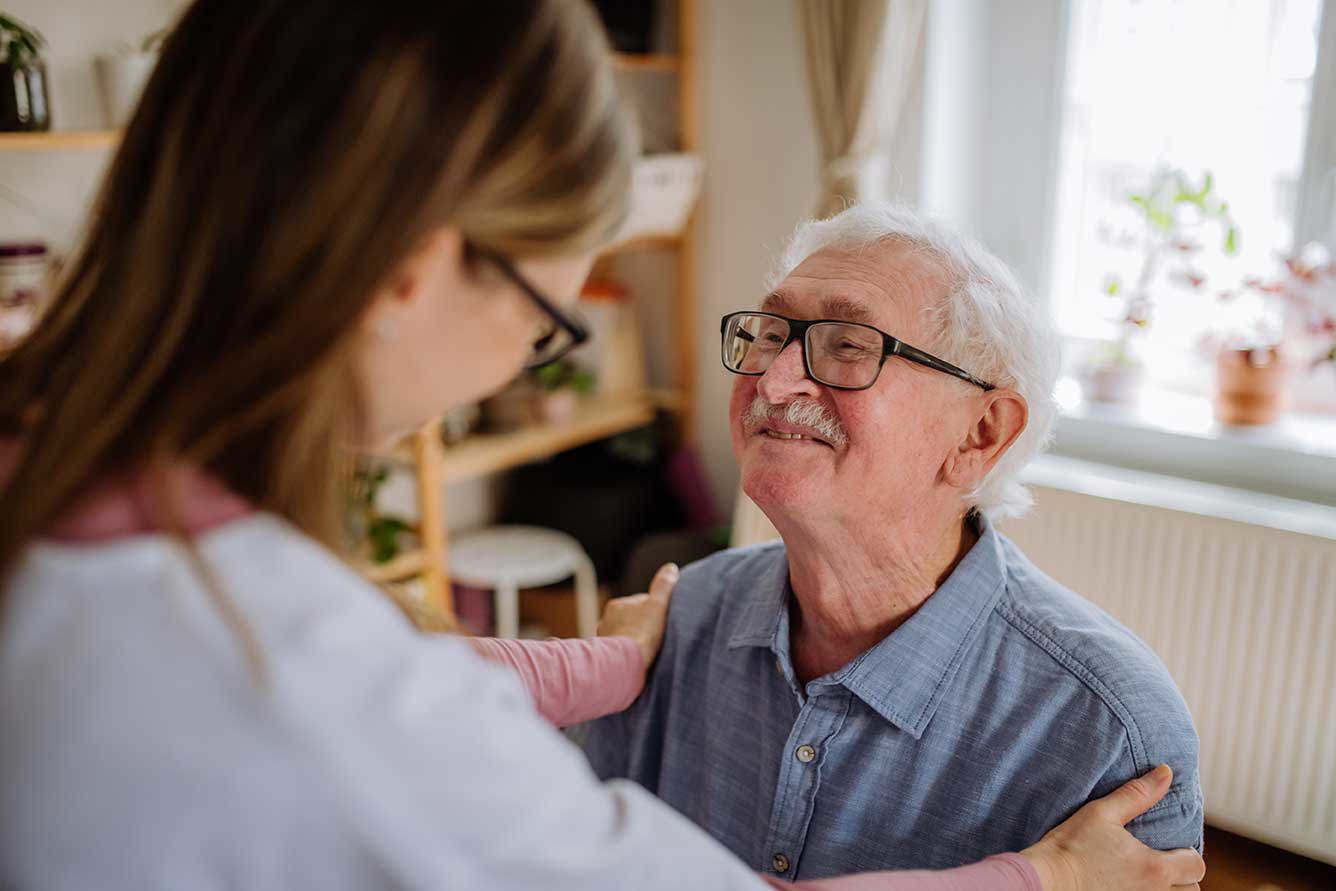
Imagine you and your family are facing the challenge of caring for a loved one. Between medical needs and the desire for a self-determined life, it can quickly become overwhelming. 24-hour care from Romania offers a wonderful solution here.
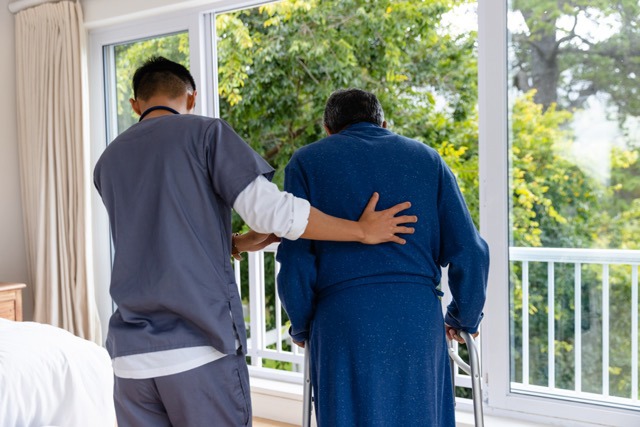
Do you know the story of Mr. Winkler and Alexandru? When Mr. Winkler’s health declined, his family looked for a solution that would allow him to live a dignified life within his own four walls. Through noracares, they found Alexandru together, a compassionate 24-hour caregiver from Romania.
Alexandru’s arrival fundamentally changed Mr. Winkler’s life. A lonely daily routine turned into a time full of encounters and shared experiences. “I feel alive again,” emphasized Mr. Winkler. The two men built a deep connection that goes far beyond professional care. For Mr. Winkler, Alexandru has become not just a caregiver, but a true friend.
His professional and warm manner deeply impressed not only Mr. Winkler but also his family.
Individual and compassionate care
Have you ever thought about having a caregiver by your loved one’s side who not only does her job, but cares wholeheartedly about their well-being? Romanian caregivers bring a deep sense of connection and empathy rooted in a long tradition of family care. They adapt flexibly to your individual needs, whether it’s support with daily personal hygiene, preparing meals, or simply offering a listening ear.
Stability and routine:
24-hour care offers you and your family a reliable structure and security. Imagine always having someone by your side who helps with everyday tasks and is there for you. The feeling of safety and comfort ensures that you feel at ease in your familiar surroundings and enjoy a higher quality of life.
Relief for family members
Caring for a loved one is a great responsibility that requires a lot of time and energy. With 24-hour care, you can create more space for yourself and your family again. You’ll have more time for your hobbies, friends, and your own health.

Are you looking for first-class care that doesn’t break your budget? Even in 2026, 24-hour care from Romania is the smartest alternative to a nursing home. Thanks to the valorization of the care allowance (+2.7%) and stable government subsidies, home care remains financially attainable without having to sacrifice warmth and professionalism.
Don’t forget: Since 24-hour care is considered an extraordinary burden in 2026, you can claim the costs for tax purposes. Often, you receive several thousand euros back from the tax office at the end of the year – another building block for worry-free care.
Nora's financial focus 2026
Did you know that by combining care allowance Level 4 (€888.50) and the care subsidy (€800.00), you already have over €1,688 in direct support per month? If you also use the tax deductibility, loving care from a Romanian professional is often more affordable than a traditional nursing home place – and your loved one remains in their familiar environment.
Legal check 2026: Make sure that your Romanian caregiver has an active trade license in Austria in 2026. You can easily verify this via a GISA extract. Only then is it ensured that the caregiver is properly insured for accidents, health, and pension through the SVS (Social Insurance for the Self-Employed) and that you do not take any legal risks.

Try to imagine, your home becoming a place where different cultures meet. When you choose 24-hour care, you open the door to new experiences and perspectives. Just like in the story of Mr. Winkler and Alexandru, encountering another culture can become an enrichment for everyone involved. Alexandru enriched Mr. Winkler’s daily life by introducing Romanian traditions, such as preparing traditional dishes. These small gestures strengthened their bond and created an atmosphere of mutual respect.
Cultural differences can be enriching, but they can also lead to challenges. It is important to be open to new perspectives and to respect each other’s values and traditions.
At noracares, we support you in building a harmonious relationship with your caregiver. In our numerous articles, you will find valuable tips and guidance on how to use cultural differences as an opportunity for growth and development.
You are about to make an important decision: 24-hour care for your loved one. To make the transition as smooth as possible, we have put together some practical tips for you:
Prepare a cozy home for everyone
Provide your caregiver with a private, quiet room with a comfortable bed, a desk, and sufficient storage space. This way, she will feel comfortable from the very beginning and can carry out her tasks with focus.
Plan together for a smooth daily routine
Take time for a detailed conversation with your caregiver. Together, define which tasks she should take on and which routines are important for your loved one. Whether it’s daily personal hygiene, preparing meals, or shared activities – a clear structure provides security and makes everyday life easier.
Open communication is the key
Regular conversations with your caregiver are essential. Exchange views on the progress of care, possible challenges, and any need for adjustments. This ensures that the care is always tailored to the individual needs of your loved one.
Flexibility is required
The needs of people requiring care can change over time. Be open to changes and adjust the care plan together with your caregiver. This way, you ensure consistently high quality of care.
At noracares, you can quickly find the right caregiver for your loved ones. We rely on direct matching: you connect directly with qualified caregivers who precisely match your requirements – without hidden agency fees, but with maximum transparency.
Plan together: Your individual care plan
A harmonious daily routine needs structure. Together with your family and the caregiver, you can create an individual care plan . This plan is the heart of 24-hour care: it ensures that your loved one’s needs are met and gives the caregiver confidence in their actions.
We have created a template for you that you can download, print, and fill out together.
Nora’s practical tips for a worry-free start
To ensure that the collaboration works from the very beginning, here are my three most important tips for 2026:
- Preparation: Prepare a cozy room for your caregiver. A comfortable bed, sufficient storage space, and working Wi-Fi are the foundation for her to feel comfortable and be able to recover.
- Clear communication: Talk openly from day one about your expectations, but also about your relative’s preferences (e.g., cultural habits around food).
- Regular check-ins: Care is dynamic. Plan a short conversation every few weeks to adapt the care plan to new circumstances. This keeps the quality of support consistently high over the long term.
Qualified caregivers from Romania bring their experience and empathy into Austrian households. This international cooperation creates a valuable exchange that is enriching for both families and caregivers. According to a recent BMASK study, more than 70% of families who use 24-hour care feel emotionally relieved and can focus better on the needs of their relatives.

Imagine you come home and know: Everything is fine. Your loved ones are not only cared for, but feel valued and safe in their familiar surroundings. The story of Mr. Winkler and Alexandru is not an isolated case, but the goal we pursue every day at noracares.
In 2026, 24-hour care from Romania is financially more attractive than ever thanks to increased care allowances and stable subsidies. With the right plan, open communication, and our direct-matching principle, you create a win-win situation: fair conditions for the caregiver and tangible emotional relief for you and your family. Start now into a new, more relaxed everyday life!


- 24-hour care (Home Care Act): The legal basis in Austria that makes it possible for caregivers to live and work in the same household as the person in need of care. It regulates working hours, accommodation, and quality assurance.
- Family caregiver bonus: A monthly cash benefit (2026: €134.30) for people who care for a close relative at home from care level 4 onward under significant personal strain.
- Extraordinary burden: A tax term. Care costs can be claimed in the income tax adjustment from care level 3 onward without a deductible. This reduces taxable income and often leads to high refunds from the tax office.
- Delegation (§ 159 GuKG): Since caregivers are not qualified registered nurses, they may only carry out medical activities (e.g., administering insulin injections or medications) if they have been instructed to do so by a doctor or a qualified nurse and have been authorized in writing.
- Direct matching (noracares principle): The model in which families and caregivers connect without a traditional agency in between. This saves monthly placement fees (around €400) and enables fairer pay for caregivers.
- Income limit (subsidy): To receive the €800 subsidy, the monthly net income of the person in need of care must not exceed €2,500. The care allowance and special payments (13th/14th salary) are not included in this calculation.
- GISA (Trade Information System Austria): The official register for all tradespeople. A GISA extract proves that the caregiver is legally registered.
- Home care vs. home nursing care: While 24-hour care is responsible for everyday assistance and presence, mobile home nursing care (e.g., Red Cross, Caritas) comes to the home on an as-needed basis for complex medical wound care or therapies.
- Nostrification: The recognition of foreign professional diplomas in Austria. Many Romanian caregivers have diplomas in their home country, but in Austria they work under the regulated trade of personal care.
- Personal caregiver (self-employed): The most commonly used model. The caregiver is a sole proprietorship (one-person company), issues invoices, and is responsible for their own taxation.
- Care allowance indexation: The legally mandated adjustment of the care allowance to inflation. On January 1, 2026, all levels increased by 2.7%.
- Quality assurance in home care: Regular visits by qualified nursing staff to ensure that the care meets health requirements (in Austria in 2026, legally subsidized and recommended).
- SVS (Social Insurance for the Self-Employed): The insurance with which the caregiver is registered. It covers health, accident, and pension insurance. The contributions are usually paid by the family on the caregiver’s behalf.
- Rotation: The period during which a caregiver stays on site (usually 2 to 4 weeks) before being replaced by a second caregiver. A seamless rotation guarantees 24-hour presence.

